
Rail Yard Lighting With Portable Light Towers
Plan rail yard light tower placement for authorized maintenance, wagon shadows, signal visibility, power, service access, and night shift handover.
Rail yard light tower planning starts with the railroad’s authorized work area, the tasks to be seen, and the views that must remain unobstructed. A portable tower can supplement maintenance lighting on an approved service pad, but it does not provide track protection, authorize workers to cross rails, or replace railway signals. Match the installation to a named maintenance window, inspect it from worker and vehicle positions after dark, and record who may move or adjust it. This guide concerns temporary maintenance illumination rather than the design of permanent yard lighting.
Define the maintenance zone before selecting lamps
A rail yard contains several overlapping activities: wagon inspection, equipment service, switching, loading, and movement between buildings. Begin with the particular task, not the entire property. A mechanical inspection beside a stationary wagon has a different visibility problem from a pedestrian route across a service compound. Mark the job location on the yard plan and identify the responsible railroad authority. Include access, work boundaries, service vehicles, and the parts of the yard that will continue operating during the maintenance window.
FRA’s Roadway Worker Protection guidance describes the need for railroad on-track safety programs. Whether a particular maintenance activity falls under those rules or another railroad protection arrangement must be determined by the responsible employer and railroad. Lighting is one input to the job briefing; it is never evidence that a track is protected. Keep the accepted lighting drawing with the relevant protection and access arrangements so the installation does not develop independently of the work plan.
Separate pedestrian visibility from inspection detail
Start with the route from the authorized entry point to the job. Identify steps, uneven ground, changes in surface, and crossings permitted by the railroad. Walk this route under the actual nighttime arrangement. A lamp shining along the rails may make the open ground look bright while leaving a raised rail or transition hard to distinguish. Local obstacles and standing wagons can interrupt coverage even when the tower is relatively tall.
Then assess the inspection itself. Personnel may need to read labels, distinguish a leak, see a component behind a wheel, or work inside a shadow created by the wagon body. Area illumination from a mast often cannot provide every required view. Ask the maintenance team where an approved supplementary task light is needed. Do not lower a lamp into an equipment envelope or attach an improvised fixture to rolling stock simply to overcome a shadow. Any added lighting and power route need their own review.
Reserve space for the complete machine
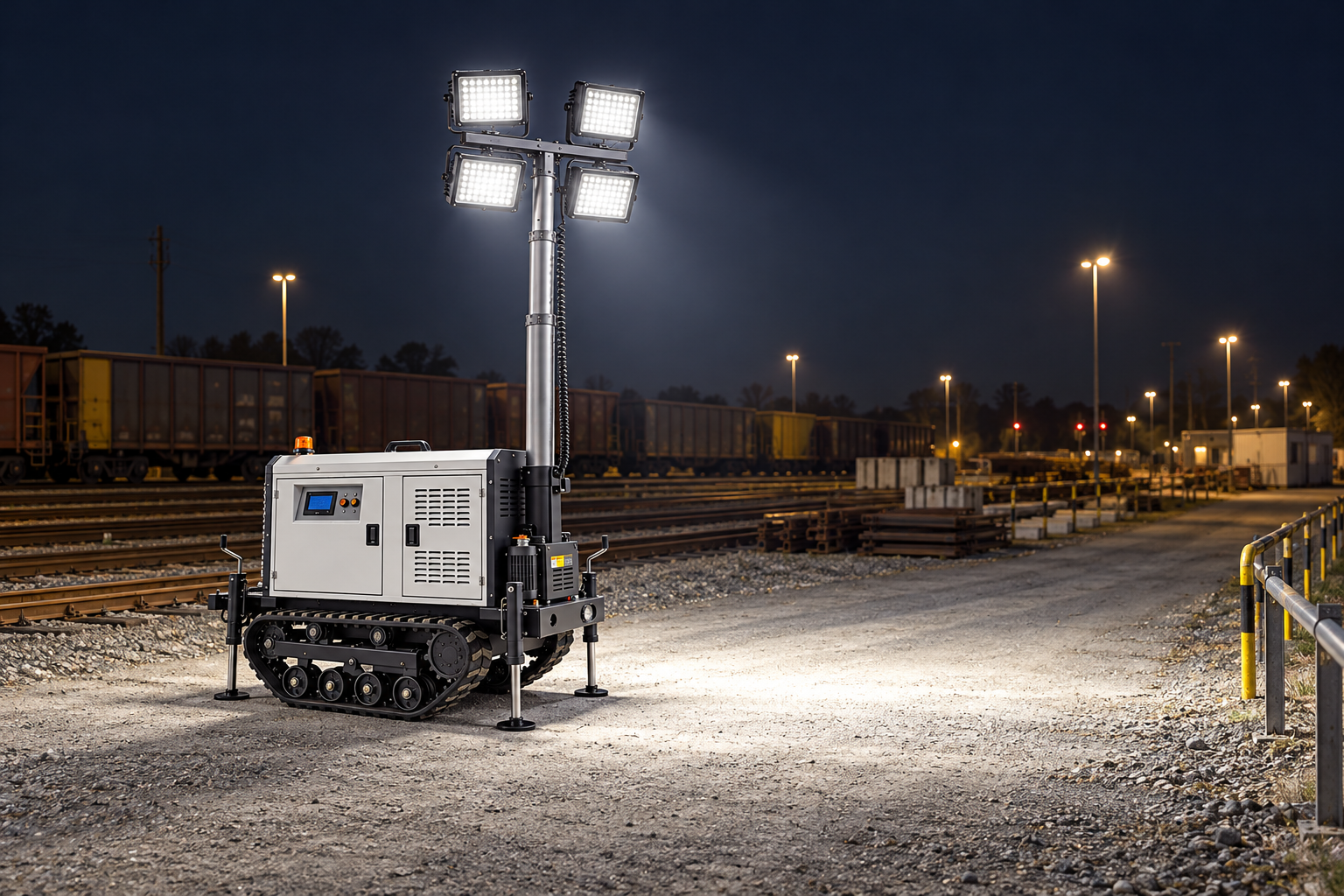
A tower location must accommodate more than the crawler or trailer footprint. Show the deployed stabilizers, mast envelope, service access, permitted lamp orientation, and the access needed to remove the unit. Check the exact model’s documentation rather than assuming that a product photograph establishes a safe distance from rails. The railroad determines the approved boundaries around its equipment, structures, electrification, and movements.
An apparent empty space between tracks may be used for an operational purpose or may lie inside a required clearance. Obtain the location decision from the railroad, including the proposed installation sequence. Moving a machine into place can create a different conflict from leaving it stationary. Show the transport configuration and route, and follow the equipment instructions for lowering and securing the mast before any movement. Tracked mobility does not make travel across rails automatically acceptable.
Check signals and driver views independently
Review the tower from the positions of locomotive operators, road vehicles, and people giving or receiving instructions. A lamp that is comfortable for a mechanic can produce direct glare for someone approaching from the opposite direction. Reflections from wet rails, polished metal, or wagon sides can also change the view. Inspect the relevant directions instead of evaluating the work solely from behind the tower.
Keep railway signals and required signs recognizable. Do not introduce colored decorative lighting or point a bright lamp towards a signal background. The railroad should decide whether the proposed arrangement affects signal visibility or other operations. Adjust only within the tower’s permitted aiming limits, then repeat the affected inspections. Turning up output is not a reliable answer when the original problem is glare or a badly positioned source.
Plan around changing wagon positions
Standing rolling stock is a large moving shadow boundary. A layout accepted with an empty service road may behave differently when another wagon is parked beside it. Identify which changes are expected during the shift and which require a fresh inspection. If the task includes working on both sides of a vehicle, assess both sides; do not infer the second side from the first.
Make the maintenance sequence visible in the lighting plan. Record where personnel will work first, how they will move to the next position, and whether an adjustment is authorized. A relocation should have a clear owner and a protected installation window. If no approved location can reveal the necessary task, review a different lighting arrangement rather than improvising a move while other yard operations continue.
A rail-yard acceptance checklist
The decision table below is a planning record, not a universal railway clearance standard or a claimed performance rating for the pictured product. The railroad and maintenance employer establish the applicable criteria for the actual site.
| Review item | Evidence needed | Acceptance question |
|---|---|---|
| Work authority | Named task, work window, protection arrangement | Has the railroad approved this maintenance area? |
| Tower location | Full footprint, mast envelope, transport route | Does installation remain outside prohibited areas? |
| Inspection detail | Actual worker views beside and beneath equipment | Are supplementary task lights needed? |
| Operating views | Signal, locomotive, road-vehicle and pedestrian checks | Does direct or reflected glare obscure instructions? |
| Changing conditions | Wagon positions, weather and service sequence | Which changes require another inspection? |
Select power for the complete window
Include preparation, work, checks, cleanup, and any expected extension when specifying the lighting duration. Ask for runtime at the lamp setting you plan to use, with the environmental and service conditions identified. A reduced-output test is not evidence for a full-output shift. An externally powered installation needs a reviewed supply, protective arrangement, and cable route that does not interfere with permitted rail or vehicle movements.
For an engine-powered tower, the location of exhaust is a separate decision from lamp coverage. Keep combustion exhaust from occupied buildings and enclosed service areas. Review fuel handling and service access under the yard’s arrangements. Battery equipment removes local engine exhaust during battery operation but still needs a credible charging plan and an approved replacement or recovery procedure. Compare the complete operating system instead of selecting a machine only by its lamp wattage.
Verify the arrangement with the task team
Inspect after dark with the equipment and obstructions present. Record the mast height, aiming, output mode, power source, and observed task positions. The responsible team should establish the measurement method and acceptance criteria. If illumination measurements are required, record the instrument, measurement plane, locations, conditions, and results. A bright photograph does not establish that the required detail is visible.
Ask the people who use the installation to report the remaining blind spots and uncomfortable views. Resolve these issues before making the accepted layout the shift standard. Record what remains outside the lighting scope so nobody assumes that an unassessed area is usable. This is particularly useful when maintenance responsibilities transfer between crews: the incoming crew needs the same task boundaries and accepted settings, not just an instruction to switch the tower on.
Arrange interruptions and handover
Decide in advance what happens if the primary tower stops. The response may include pausing the task, using an approved backup, or following an established withdrawal route. Backup lighting has to support its named function and be available when required; the presence of another unit somewhere in the yard is insufficient. Coordinate servicing so refueling or charging does not unexpectedly remove the only usable illumination.
Keep the lighting record with the work handover. Include who can change the setup, the known shadow boundaries, the next service time, and the events requiring reinspection. Examples include a new wagon position, rainfall that changes reflections, changed lamp aiming, or a different work location. A repeatable rail-yard arrangement is one that can be checked against a clear record rather than recreated from memory each night.
Equipment documentation for this application
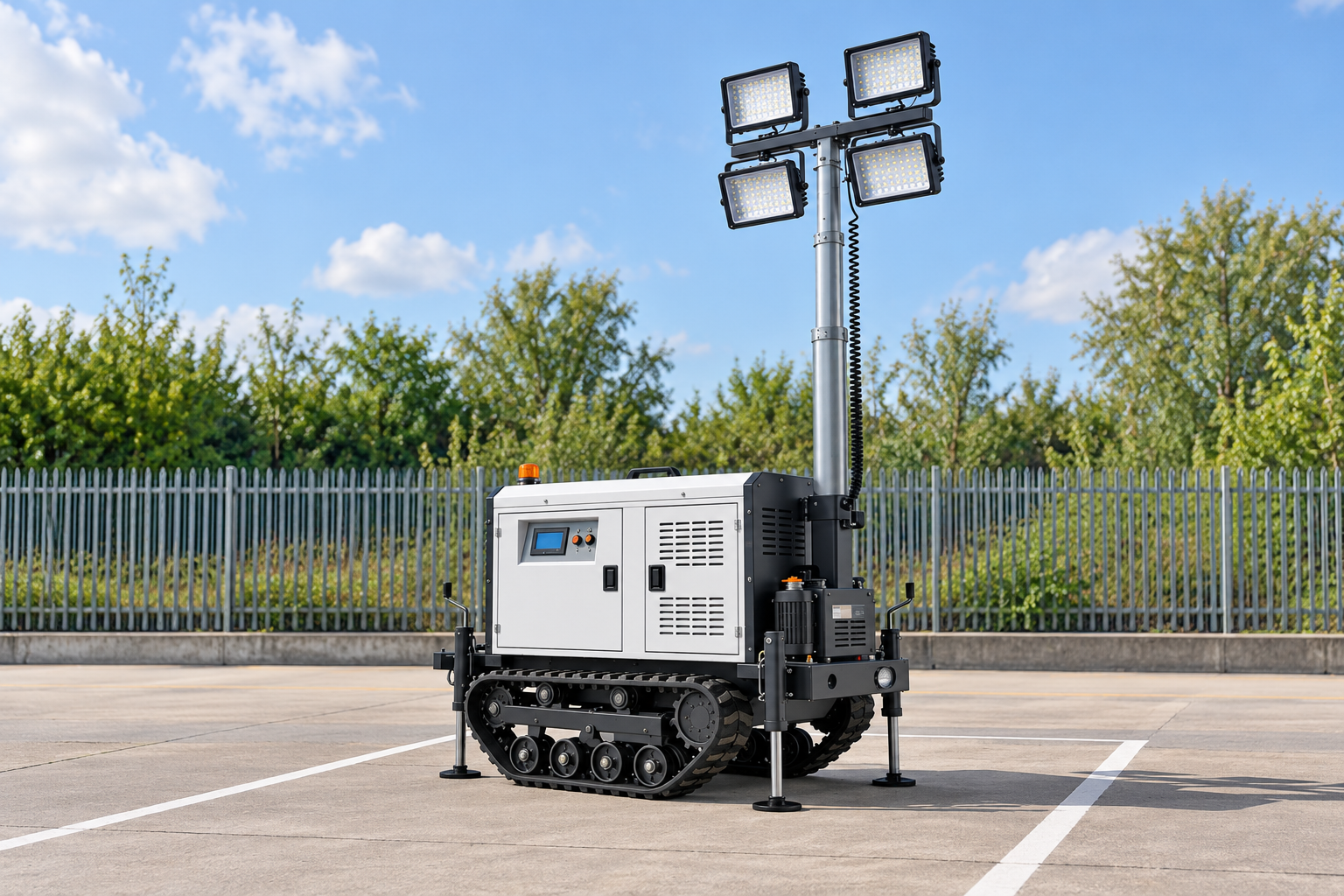
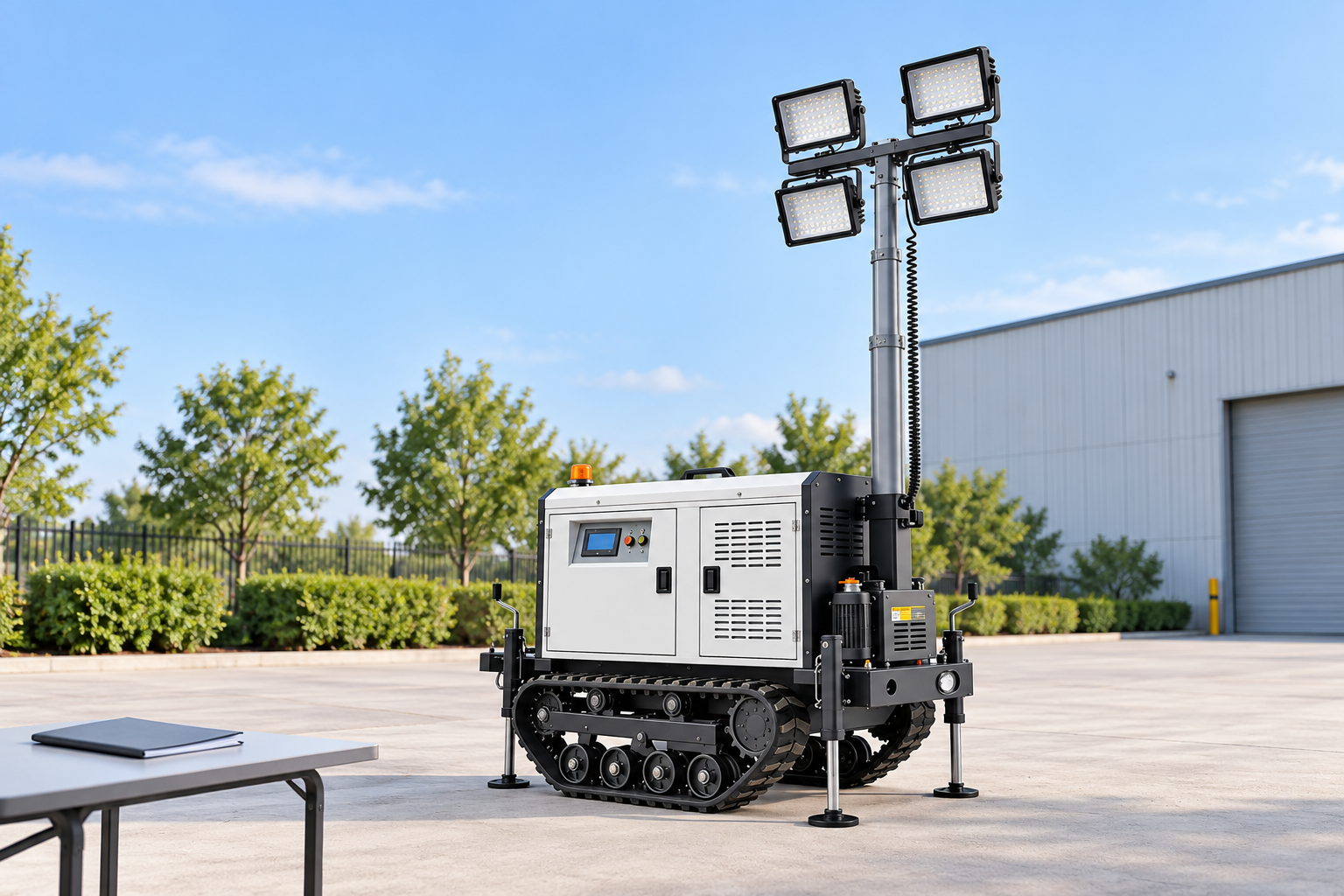
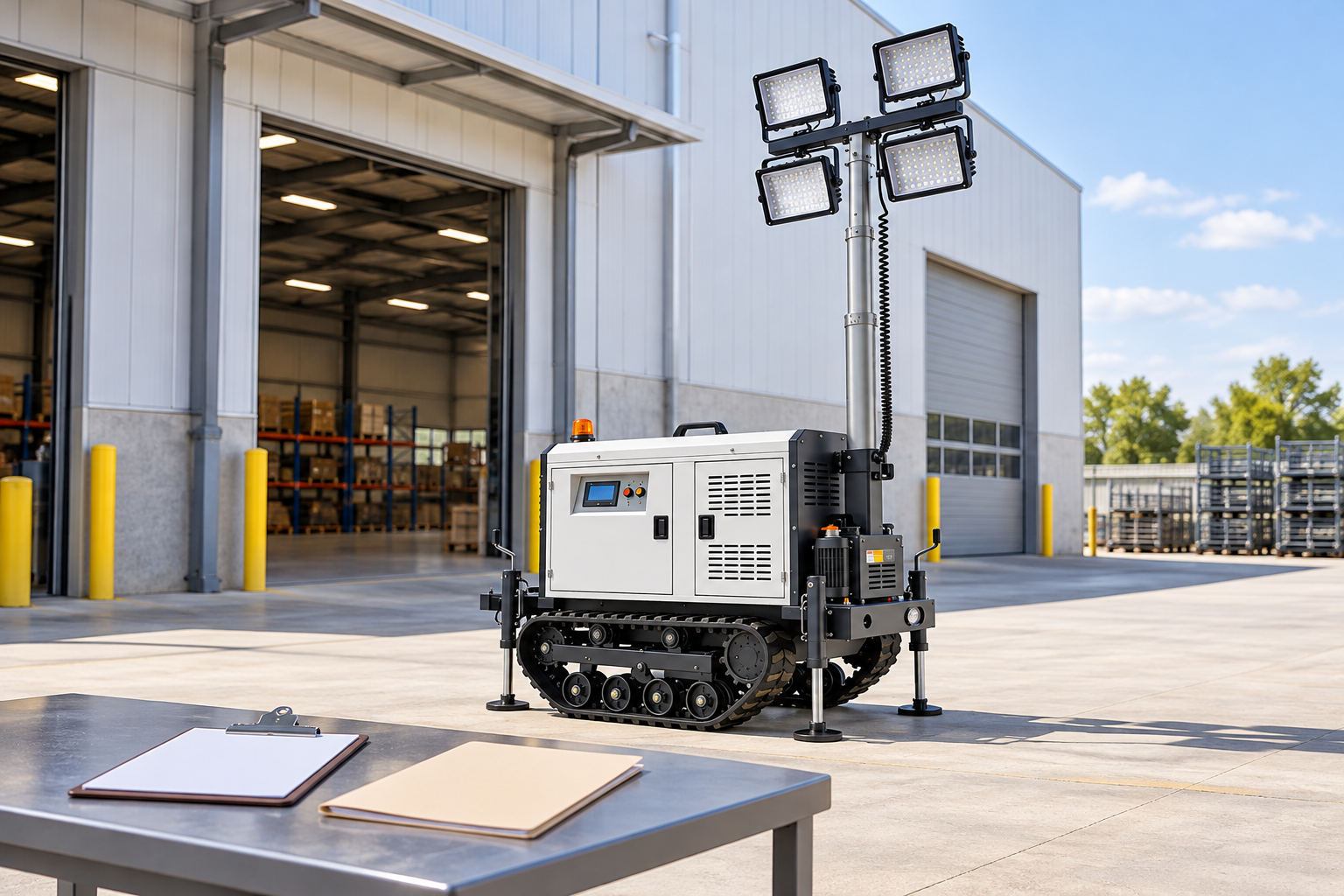
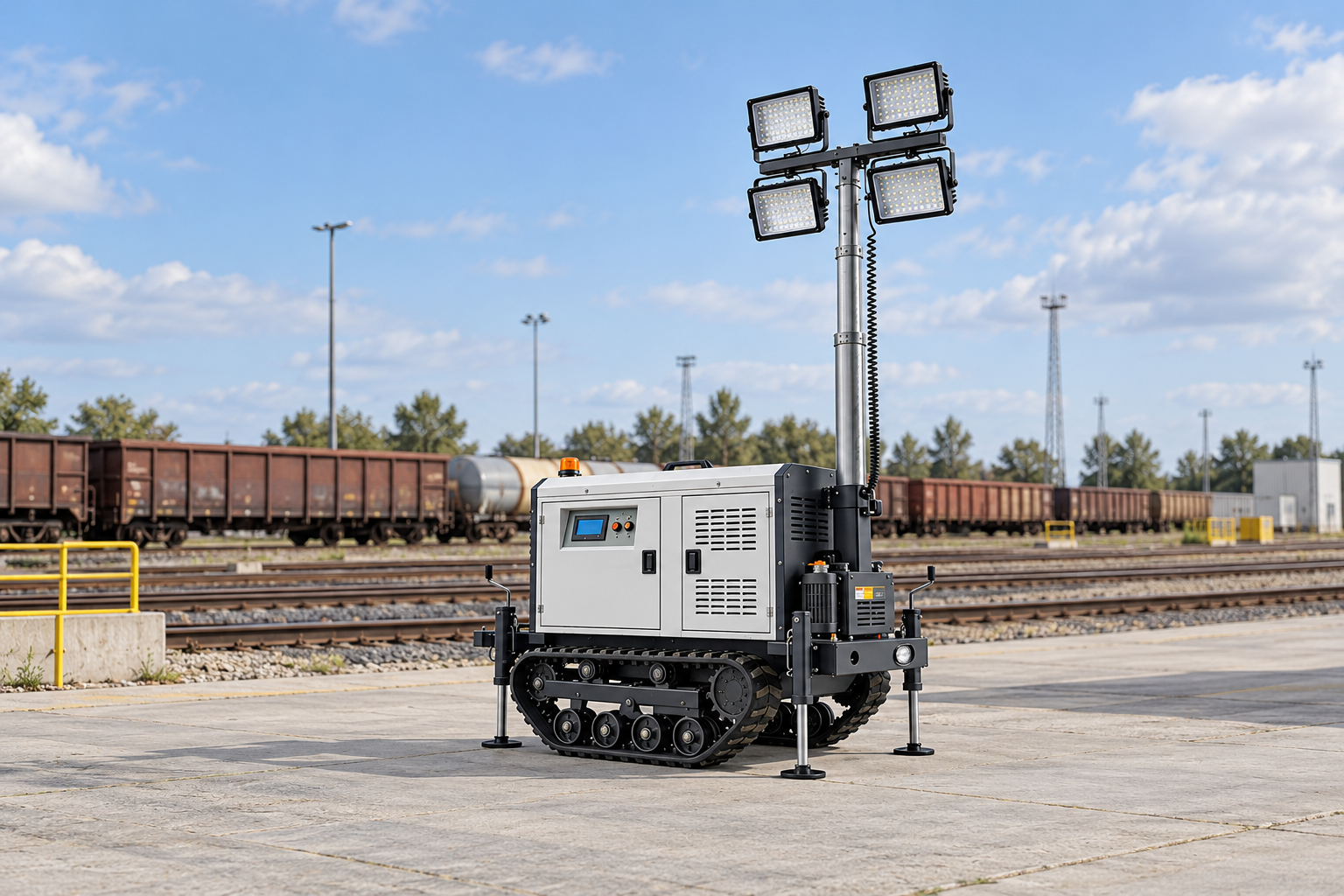
The pictured Keyyou tracked lifting light tower identifies the product category discussed here. Its appearance is not evidence of runtime, environmental certification, or suitability for every proposed work location. Request the current configuration-specific documents and compare them with the accepted task, deployed envelope, power arrangement, and service plan. If those records do not establish a match, resolve the configuration with the responsible team before relying on the installation.
For broader equipment planning, read the mobile light tower guide. Use the separate glare-control guide when reviewing observer views, and the maintenance and troubleshooting guide when arranging inspection and service. These resources support their own tasks; they do not replace acceptance of the current site layout.
Generator safety education and reference scope
Where the selected power arrangement includes an engine, the CDC video below explains carbon-monoxide precautions. Its household examples provide introductory education, not a site installation approval. The responsible team must review the exact equipment, exhaust location, occupied spaces, fuel handling, and electrical arrangement. Battery-only operation has a different power scope, and hybrid engine-start conditions still require review.
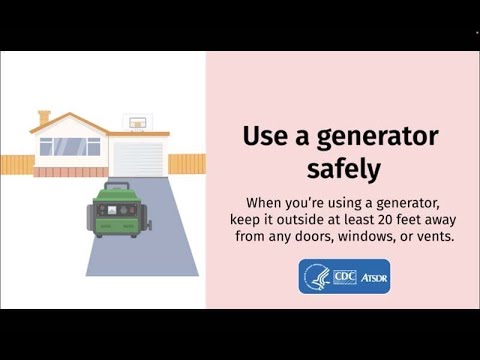
Watch Use a Generator Safely from the CDC.
Frequently asked questions
Does a light tower provide railway track protection?
No. Work illumination and railway protection have different purposes. The railroad and responsible employer determine the protection, access, and briefing requirements. Record the lighting installation within that authorized arrangement; a bright track or an illuminated wagon does not establish permission for workers or equipment to enter a railway operating area.
Can one tower reveal both sides of a wagon?
Not necessarily. The wagon body can block the source and leave the opposite side in shadow. Assess the actual maintenance positions on each required side, including low inspection points. Where detail remains obscured, review approved supplementary task lighting or another accepted position rather than assuming that increased lamp output removes an obstruction.
When should the yard arrangement be checked again?
Review it when wagon positions, lamp aiming, work locations, weather, or the approved operational boundaries change. The original acceptance should identify its conditions and reinspection triggers. Keep those details with the crew handover so a later task is not treated as covered merely because the same tower is still running.