
What Should a Remote Field Operations Light-Tower Enquiry Cover?
A remote field operations light-tower enquiry is easier to assess when the buyer sets out the activity, location context, access notes, documents, open questions, and response contacts before requesting an offer. The record gives each respondent the same starting point without treating a catalogue page as proof of field suitability.

- FAQ
Part 1. Frame the Field Activity and Decision Owner
Open with a plain-language statement of the activity being considered. Name the buyer contact who can clarify the request, the current review point, and the event that would make the record need revision.
| Field | Buyer prompt | Record |
|---|---|---|
| Field activity | What work needs temporary lighting support? | Activity note |
| Decision owner | Who can clarify the request? | Named contact |
| Current stage | What is being reviewed now? | Buyer-defined stage |
| Change trigger | What changes the record? | Revision point |
Part 2. Separate Location Facts From Open Questions
List the site information the buyer can provide today, then place missing facts in a visible question list. A gap should remain a gap until the responsible party supplies or resolves it.
| Input | What to record | Follow-up when |
|---|---|---|
| Location context | Buyer-described work area | Context is incomplete |
| Nearby interface | Parties or activity near the area | Another review is needed |
| Site limitation | Known restriction or boundary | It could change a response |
| Open question | Fact still to be confirmed | An owner is assigned |

Important: HSE guidance connects work equipment with intended use and appropriate controls. An enquiry record can show what needs clarification, but it does not authorize a work arrangement. Read HSE work-equipment guidance
Part 3. Describe Access, Movement, and Interfaces
Capture the known approach, positioning context, expected movement, and adjacent work in the buyer’s own terms. This allows a supplier to identify questions without presuming a route, surface condition, operating period, or equipment capability.
The light tower site data checklist offers related reading, while this page remains focused on collecting field-operation enquiry inputs.
Part 4. Keep the Enquiry Documents Aligned
Send one current document set with each request. Include the activity note, location context, access note, contact list, and unresolved questions so later clarifications can be tied back to the same buyer record.
| Document | Purpose | Buyer check |
|---|---|---|
| Activity note | States the requested work context | Keep the revision current |
| Location note | Records the supplied area context | Mark unknown details |
| Contact list | Identifies response contacts | Confirm availability |
| Question log | Holds unresolved items | Assign a next action |
Part 5. State the Requested Response Clearly
Ask respondents to comment against the current record and to identify information they still need. The mobile light tower RFQ guide is related reading for an enquiry conversation, not a substitute for the buyer’s project review.
For comparison, preserve the same activity note, location facts, document set, and question list for each respondent. This supports a like-for-like review of the responses without implying that any public specification settles the field decision.
Part 6. Use Product Pages as Conversation Starters
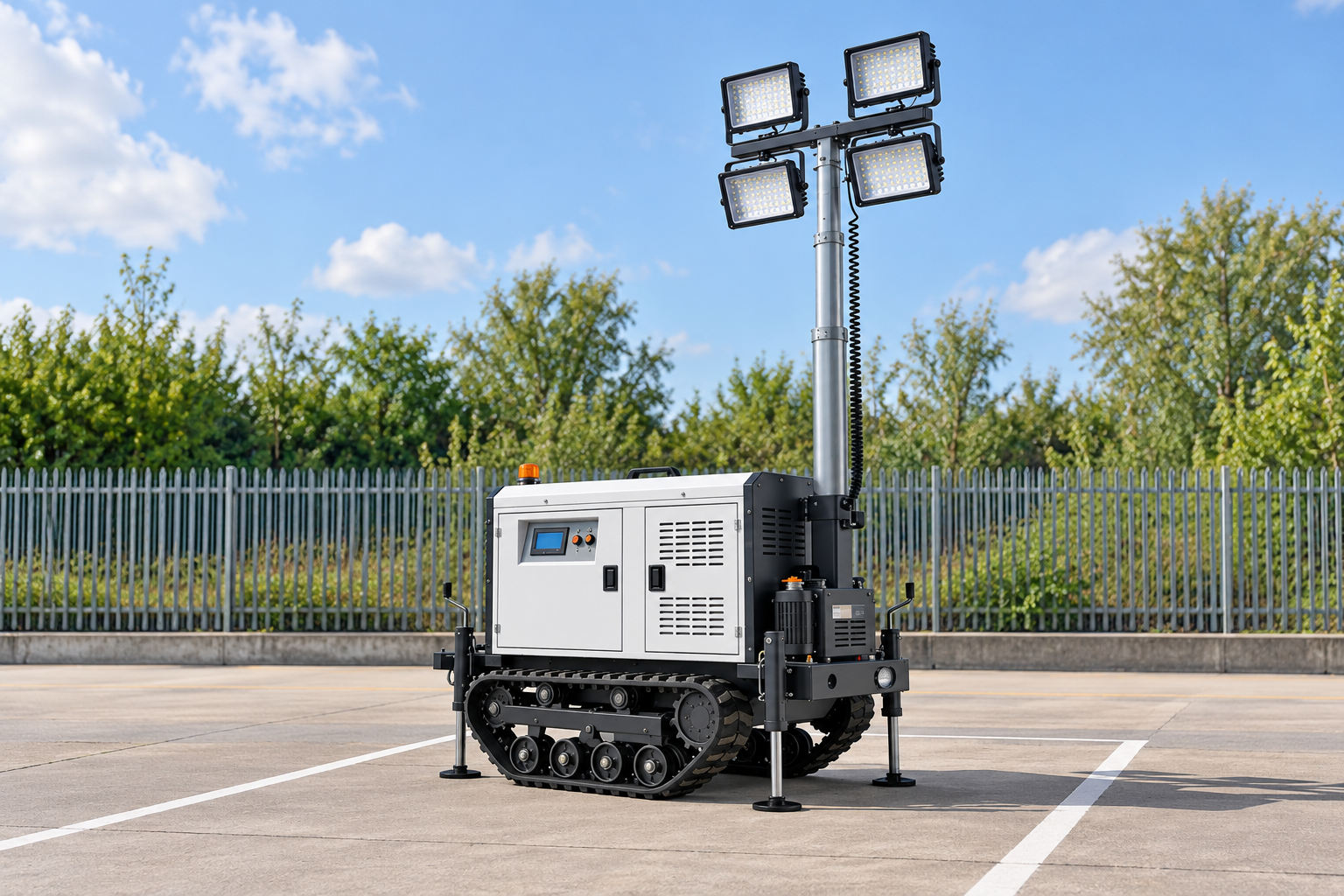
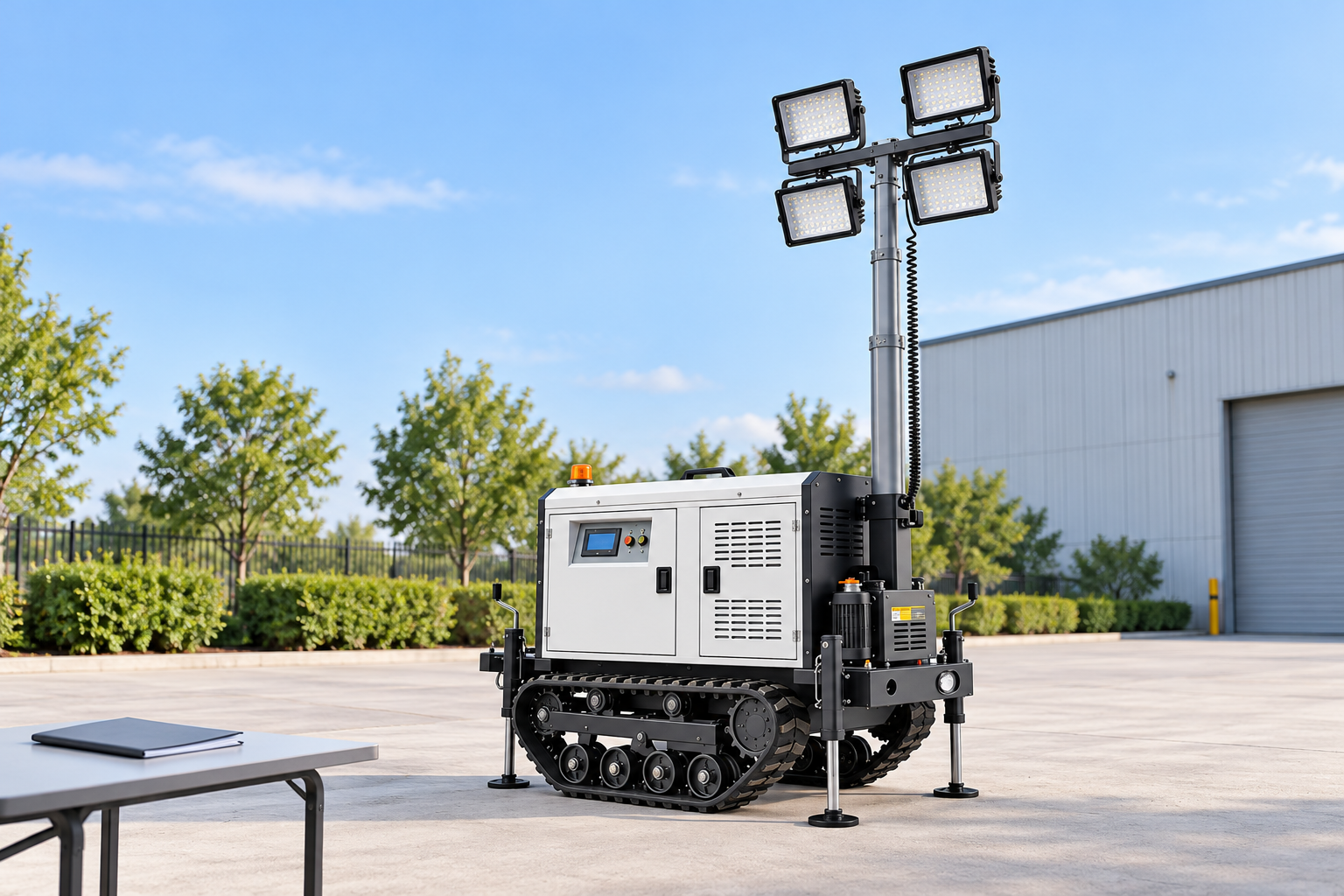
The mobile lighting tower range can help describe the product family. A trailer type hydraulic-pole mobile lighting tower may be a useful discussion point when a buyer asks for a response to the current record.

Neither page confirms a remote-site configuration, availability, delivery, certification, performance, approval, or suitability. Contact Keyyou with the activity note and open questions when an offer-specific response is required.
FAQ
What should a remote field operations light-tower request include?
Include the activity, location context, known access information, document set, open questions, and named response contacts.
Which location details are useful to provide?
Provide the buyer-known work area, nearby interfaces, restrictions, expected movement, and each detail that still needs confirmation.
Why keep unknown conditions visible?
Visible unknowns prevent a request from presenting an assumption as a settled project condition and give the responsible owner a clear follow-up item.
What should accompany the enquiry?
Attach the current activity note, location note, access information, contact list, and question log, with revision status where known.
How can respondents compare the request?
Issue the same current record to every respondent and ask each one to state any information needed before an offer-specific reply.
Can a public product page confirm field suitability?
No. A public page can start a product-family discussion, while suitability needs the current record, offered configuration, and responsible review.
References
NIST SP 800-161 provides the information-management context behind this buyer record.
The OSHA construction eTool is a planning resource for the work-area context discussed above.
Read the World Bank procurement framework for its public description of documented procurement requirements.
HSE work-equipment guidance is the source for the intended-use and controls boundary.