
What Is an Induction Light? How Electrodeless Lamps Work
A practical guide to how light is produced, main system components, and where induction lighting was used, with decision checks, sources, and FAQs.
An induction light is an electrodeless gas-discharge lamp that uses an electromagnetic field to excite mercury vapor and phosphor inside a sealed bulb or tube, producing visible light without internal electrodes. Removing electrodes can support long lamp life, but the system still needs a high-frequency generator, coupler, thermal management and compatible fixture. Induction lighting is distinct from LED and from inductive wireless power, and replacement decisions should consider mercury, radio-frequency compatibility, photometry, controls and parts availability.
How light is produced

A generator drives a magnetic coupler at high frequency. The changing field induces current in the low-pressure gas, creating ultraviolet radiation that excites the phosphor coating to emit visible light. Designs place the induction coil inside or outside the lamp envelope. Because there are no hot electrodes at the lamp ends, one traditional wear mechanism is removed. However, phosphor depreciation, electronics, seals, heat and component availability still limit system life.
Main system components
An induction installation includes a specific lamp envelope, coupler or power core, electronic generator and luminaire optics. These parts are engineered as a matched system. A similar-looking replacement may operate at a different frequency or power and can damage equipment or create electromagnetic interference. Record all model numbers and wiring. Isolate power and allow cooling before service; generators can contain hazardous voltage even though the lamp has no conventional electrodes.
Where induction lighting was used

The technology appeared in high-bay facilities, tunnels, street and area lighting, warehouses and locations where lamp access was difficult. Broad diffuse sources can provide comfortable appearance and long service intervals. Compared with modern LED systems, induction fixtures may be bulky, less optically precise and harder to control. The installed base still merits careful maintenance, but a new-project comparison should use current products and lifecycle availability rather than historic lifetime claims.
Performance and control considerations
Compare maintained lumens, distribution, efficacy, warm-up and restart, color, dimming, ambient range and generator losses. Some induction systems dim only within limited ranges and may not integrate easily with current sensors or networks. Large source size affects reflector design and glare. Radio-frequency emissions and equipment compatibility require the complete approved system. Do not judge by lamp glow; measure lighting performance at the task and inspect the generator and thermal condition.
Environmental and maintenance issues

Many induction lamps contain mercury, so breakage, storage, transport and end-of-life handling need appropriate procedures. Keep lamp and reflector surfaces clean using approved materials, inspect wiring and generator cooling, and log output changes. Do not open or improvise the sealed lamp. Retain suitable spares if the facility depends on a discontinued family. Workers should follow site electrical safety and lamp-handling rules.
Induction-to-LED retrofit decisions
Survey light levels, fixture locations, circuits, controls, emergency functions and structural condition. A screw-in or kit conversion must be approved for the host luminaire and environment. Model new LED photometry rather than matching watts. Include controls, surge protection, disposal, labor, access and warranty in the comparison. A complete luminaire replacement may provide clearer listing and thermal performance, while a verified retrofit can reduce construction in suitable cases.
Decision table
| Check | Evidence needed | Decision purpose |
|---|---|---|
| Lamp | Electrodeless gas-discharge envelope | Produces UV and visible light via phosphor |
| Coupler | Creates electromagnetic excitation | Must match system |
| Generator | High-frequency electronic power | Controls and drives lamp |
| Optics | Large-source reflector or lens | Shapes distribution |
| End of life | Mercury and electronic components | Handle under local rules |
How to use this guide responsibly
This guide explains a decision process, not a substitute for the current product manual, professional diagnosis, engineering approval, medical care, or local legal requirements. Search results often compress a complex decision into a single answer. A safe conclusion needs the exact equipment or symptom, operating context, applicable jurisdiction, and evidence that can be checked. Keep model numbers, photographs, measurements, dates and instructions together so another qualified person can reproduce the decision.
Start with the lowest-risk observation. Do not defeat guards, interlocks, protective devices or warnings to obtain a reading. If the task involves energy, gas, structural loads, moving equipment, impaired vision or public safety, stop when conditions exceed your competence. The correct escalation is part of a successful diagnosis, not a failure to finish the job.
Evidence and documentation checklist
- Exact product, vehicle, appliance or system identity, including model and year where relevant
- Current manufacturer instructions and configuration-specific drawings
- Observed symptom or required outcome written in measurable terms
- Operating conditions, changes, previous work and environmental factors
- Applicable safety, electrical, structural, medical or road-use requirements
- Measurements recorded with instrument, units, test point and system state
- Decision, responsible person, corrective action and final verification
Do not convert a marketing phrase into a technical claim. Ratings only apply to the configuration and conditions stated by the issuer. When evidence conflicts, use the more conservative safe state while obtaining clarification from the manufacturer, authority or qualified professional.
Common mistakes to avoid
- Buying or acting from a keyword, photograph or marketplace title without identifying the exact system
- Changing several variables at once and losing the ability to identify the cause
- Using a measurement without units, load condition, reference point or instrument limitations
- Assuming a familiar symptom always has the same cause
- Bypassing protection or increasing a fuse, limit or rating to make a problem disappear
- Copying a competitor’s claim without checking primary documentation
- Treating a temporary improvement as proof that the underlying issue is resolved
Connection to professional area lighting
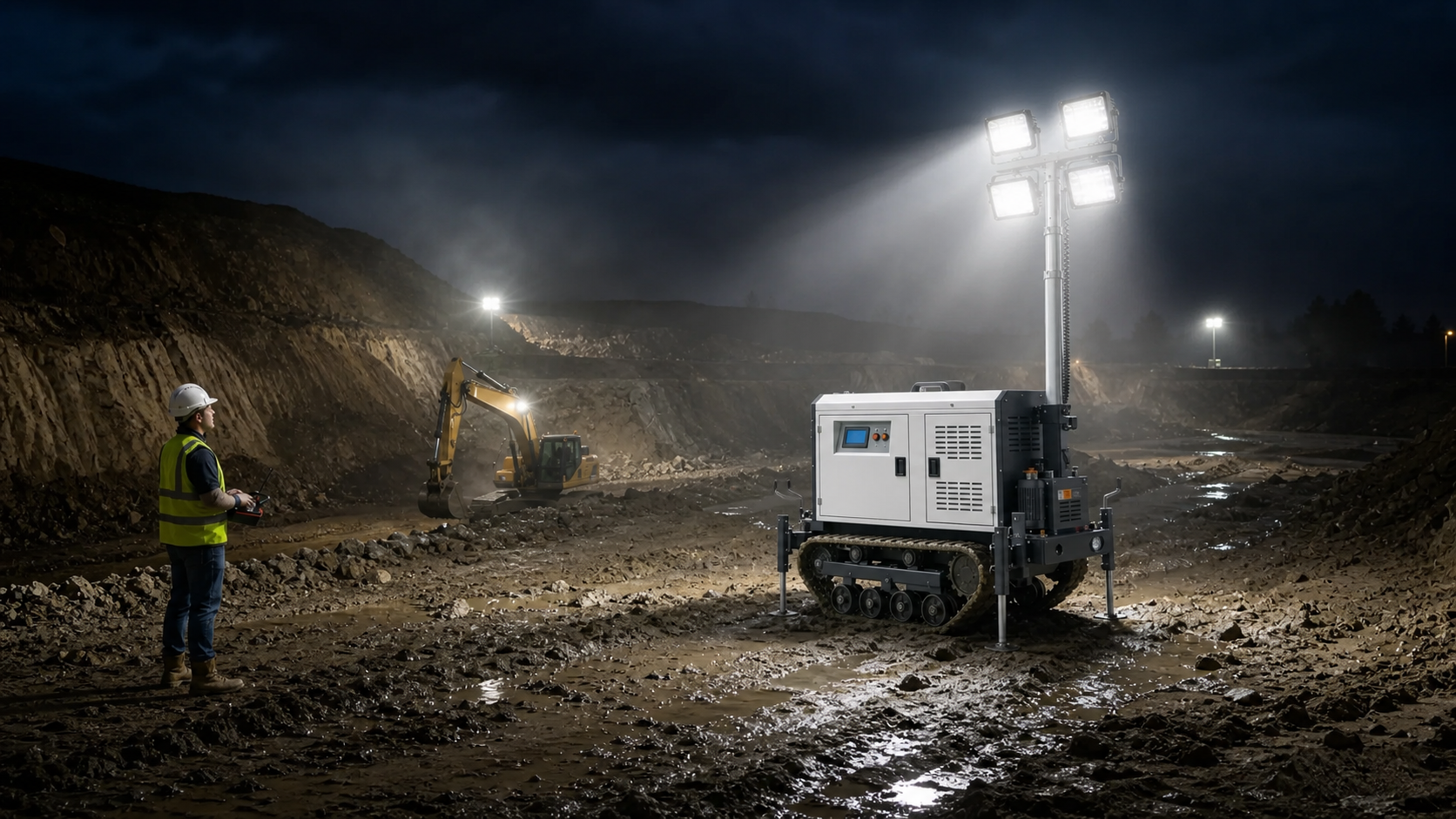
Keyyou manufactures mobile lighting equipment for temporary outdoor and industrial applications. The subject of this guide may sit outside that product range, so no Keyyou product claim is implied. Readers planning construction, remote-site or emergency illumination can review the portable tower lighting guide, the jobsite lighting planning guide, and the light tower inspection checklist. Those resources address large-area mobile lighting rather than the specialized device discussed here.
Authoritative references
- U.S. EPA information on mercury-containing lamps
- U.S. Department of Energy solid-state lighting resources
Video explanation
The following video is included as a visual introduction. Verify every action against the exact product instructions and the safety boundaries in this article.

Watch Induction Lamps: Fluorescent Lighting’s Final Form on YouTube (Technology Connections).
Frequently asked questions
Is induction lighting LED?
No. Induction is an electrodeless discharge technology; LED uses semiconductor emitters.
Why can induction lamps last a long time?
They eliminate internal electrodes, a common wear point, but electronics and phosphors still age.
Do induction lamps contain mercury?
Many do. Check the exact lamp and follow local breakage and recycling requirements.
Can I replace induction with any LED bulb?
No. Photometry, thermal conditions, electrical configuration, listing and physical fit require an engineered replacement.
Final takeaway
The final decision should account for how light is produced and main system components. Verify the exact product or situation, follow the controlling instructions, document the evidence, and escalate any condition that exceeds the limits described in this guide.