
What Should Sites Clear Before a Self-Loading Lighting Tower Arrives?
Clear the arrival point before the truck leaves: confirm surface bearing and slope, mark the cycle space and approach, remove overhead and adjacent hazards, staff the exclusion zone, and send the site data to the supplier against the unit manual’s requirements. A self-loading cycle removes the crane booking, not the site preparation.
Part 1. What does site clearance mean for a self-loading unit?
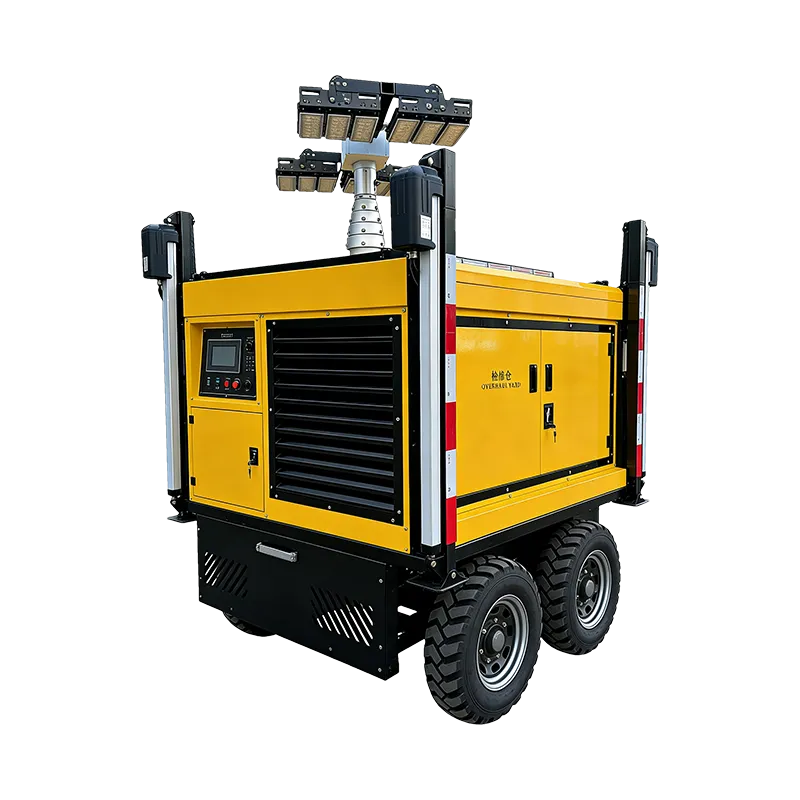
It means the arrival point is physically ready for the unit’s own loading cycle: ground that holds, space the mechanism can use, nothing overhead, and people kept out while it runs. The unit family and its deployment logic live in the self-loading mobile lifting light tower guide; this checklist prepares the ground it lands on.
Trailer arrivals have their own discipline in the trailer setup checklist. The self-loading family needs a different list because the loading cycle itself works the site.
Part 2. Which ground and surface checks come first?
Elevated-equipment guidance such as the OSHA aerial-lift fact sheet keeps two ideas in front of every crew: solid support and awareness of the working zone. Both start with the ground.
| Ground check | What to confirm | Record |
|---|---|---|
| Surface bearing | Ground holds carrier and unit weights per documents | Surface type and condition notes |
| Slope | Within the manual’s stated limits | Measured or estimated grade |
| Drainage | No standing water or soft pockets | Walkover notes and photos |
| Recent excavation | No backfilled trenches under the pad | Site plan cross-check |
| Surface debris | Area swept of materials and scrap | Cleared-by and date |
If any answer is unknown, the check is not done. Soft or sloped pads are the classic cycle-stoppers.
Part 3. Which space and approach checks follow?
The manual defines how much room the cycle needs; the site’s job is to measure what exists and compare honestly. Mark the working area physically—paint, cones, or barrier tape—so the space survives until delivery day.
Confirm the approach as well: the carrier must reach the pad, stop level, and leave again. Turning room, gate widths, and temporary obstructions all belong on the walkover notes, photographed where possible.
Part 4. Which overhead and adjacent hazards must be cleared?
Look up before looking at the pad: power lines, structures, scaffolding, and tree limbs over the cycle space stop the operation. Then look sideways at what the cycle could strike or what could strike it—stored materials, plant routes, and pedestrian paths.
Important: Never run a loading cycle under power lines or over unverified clearances; equipment-handling rule families treat these as hard stops. Source: OSHA 1926.600 equipment handling language.
Part 5. How is the exclusion zone run during the cycle?
Name one person to own the zone while the cycle runs. Work-zone practice resources such as the FHWA practices library treat equipment movement as planned, staffed activity, and a loading cycle deserves the same treatment.
- Barrier the zone before the carrier arrives.
- Brief the crew on where the cycle moves and where people stand.
- Hold the zone until the unit is landed and stable.
- Log who held the zone and when.
Part 6. Which clearance data belongs with the supplier before delivery?
Send arrival-point photos, surface and slope notes, measured space, overhead survey results, and the approach description, and ask the supplier to confirm them against the manual pages of the offered configuration before the delivery is booked.
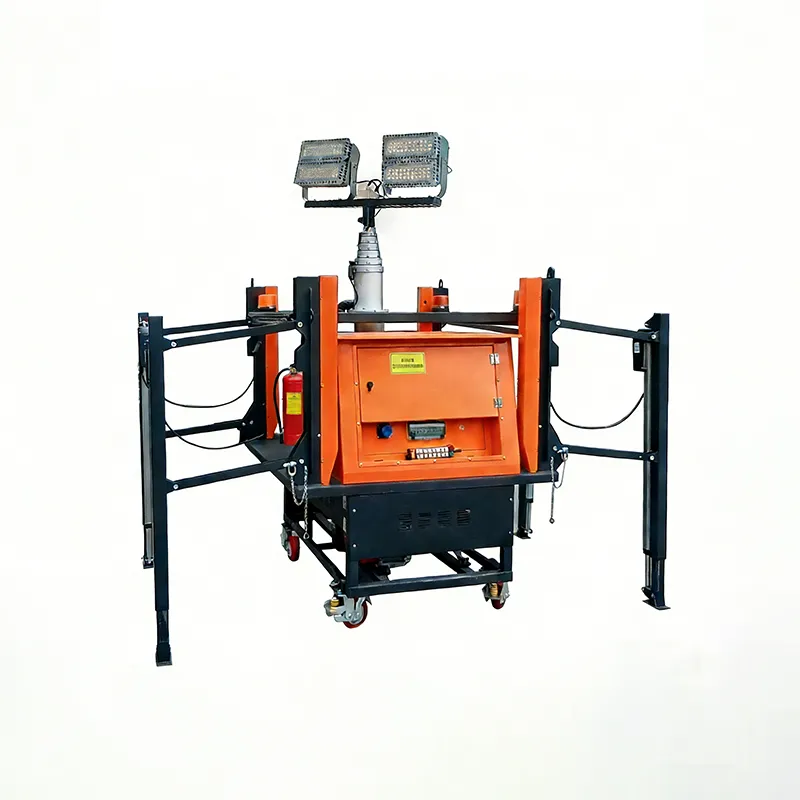
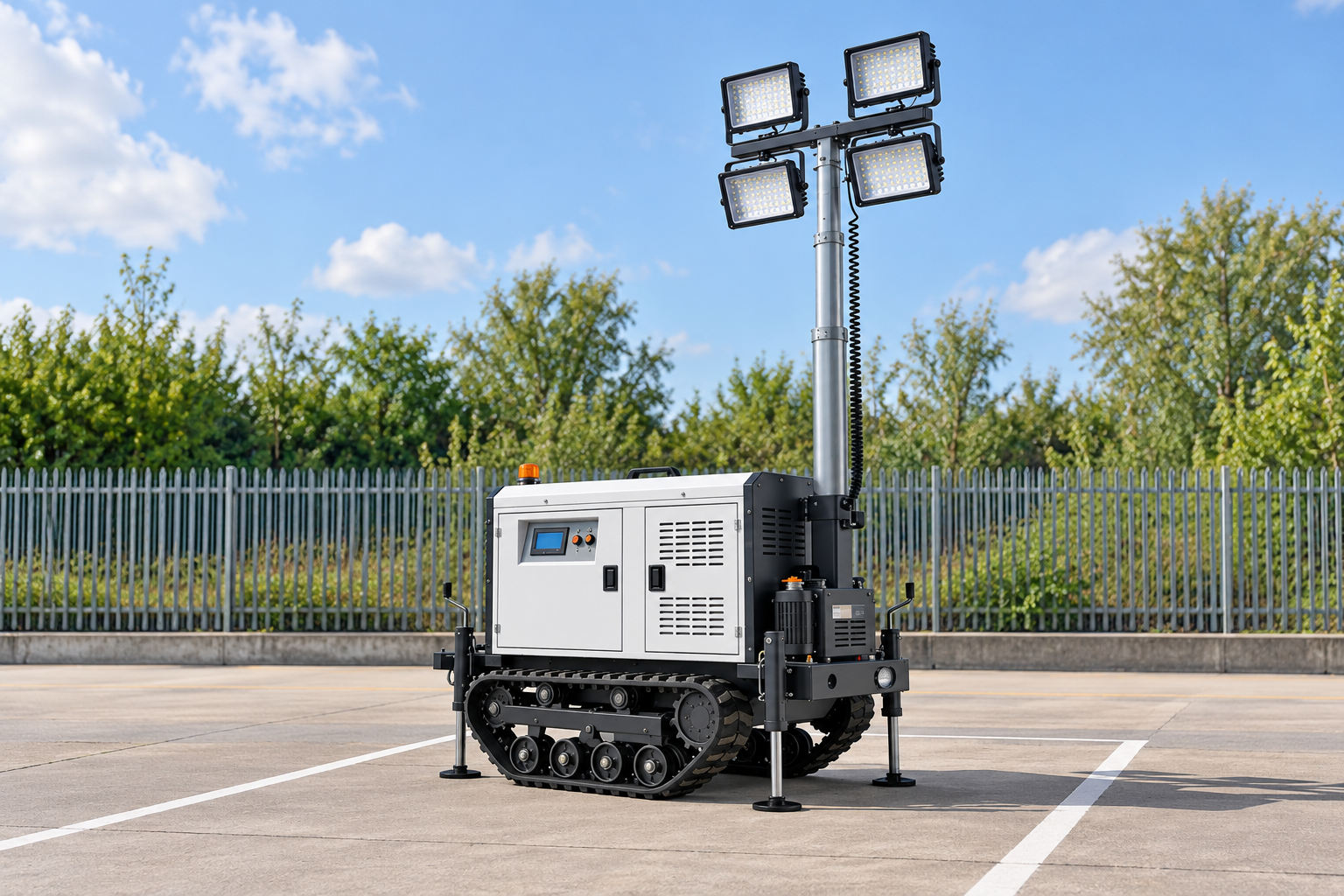
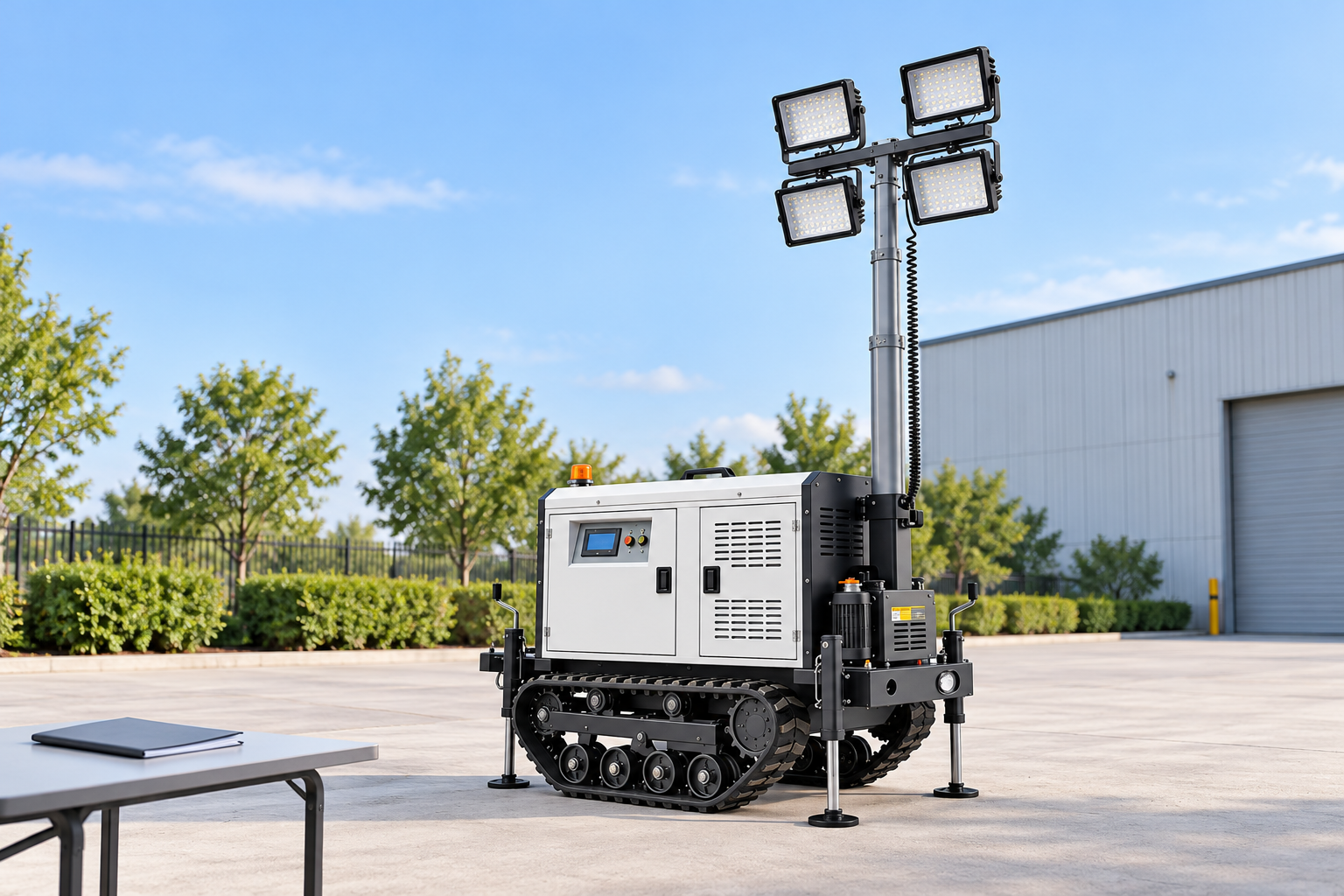
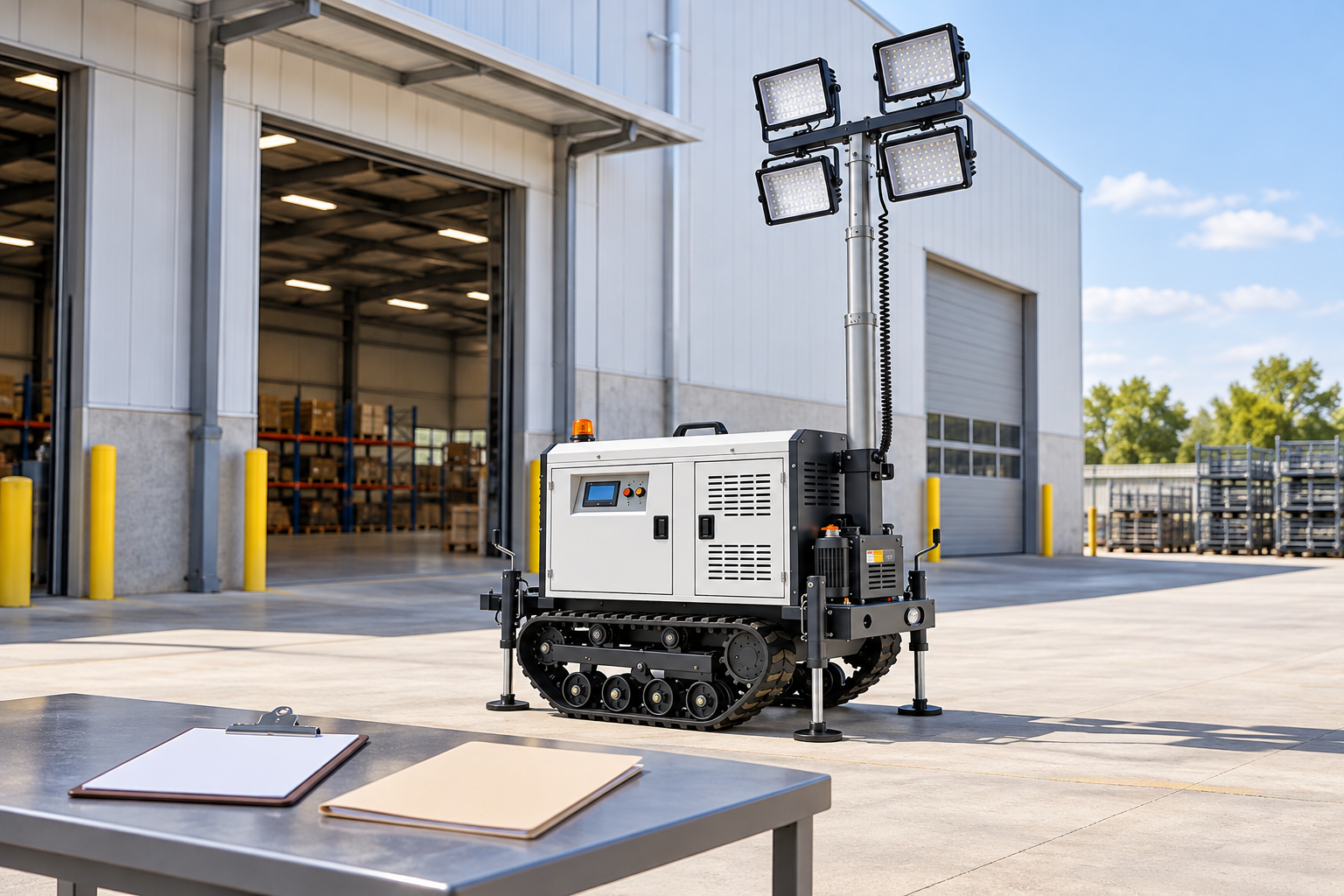
Product recommendation: use the listed self-loading basic model as a document-review starting point when a compact self-loading configuration is on the shortlist. The page names a configuration; it does not state footprint, clearance, or slope figures for your pad. Related configurations sit under the self-loading mobile lifting light tower range.
Fit Boundary
This checklist is suitable for preparing an arrival point. It is not suitable as a lifting plan, a geotechnical assessment, or a Keyyou capability commitment. For a configuration discussion, send the arrival-point data.
Part 7. When is site clearance not enough?
Stop relying on clearance alone when the ground itself is suspect—backfilled, waterlogged, or unassessed pads need an engineering answer, not a checklist. Clearance also ends at landing: the unit still enters service through the pre-operation inspection checklist before its first shift.
FAQs
What must be cleared before a self-loading lighting tower arrives?
Ground bearing and slope, the cycle space and approach, overhead and adjacent hazards, and a staffed exclusion zone—each compared with manual requirements.
How much space does the self-loading cycle need?
Whatever the unit manual states for the offered configuration. Measure the pad, send the numbers, and let the supplier confirm against the manual.
What ground conditions stop a self-loading cycle?
Soft or waterlogged ground, out-of-limit slopes, backfilled trenches, and debris in the working area are the common stoppers.
Who keeps people out of the loading area during the cycle?
One named person holds the exclusion zone from before the carrier arrives until the unit is landed and stable.
What overhead hazards must be checked before unloading?
Power lines first, then structures, scaffolding, and tree limbs over the cycle space. Unverified overhead clearance is a hard stop.
How is this different from the trailer setup checklist?
The trailer checklist prepares a towed unit for service. This checklist prepares the ground and space for a self-loading cycle before the unit even lands.
What clearance information should be sent to the supplier before delivery?
Photos, surface and slope notes, measured space, overhead survey results, and the approach description—sent before booking the delivery.