
What Belongs in a Mobile Emergency Lighting Shelter Specification?
Specify a mobile emergency lighting shelter by writing the mission profile, lighting duty, power expectations, mobility and deployment constraints, and environmental conditions as requirement inputs—then require supplier documents against each line instead of accepting capability claims. A specification is a set of questions with evidence attached, not a wish list.
Part 1. What is being specified, and what is not?
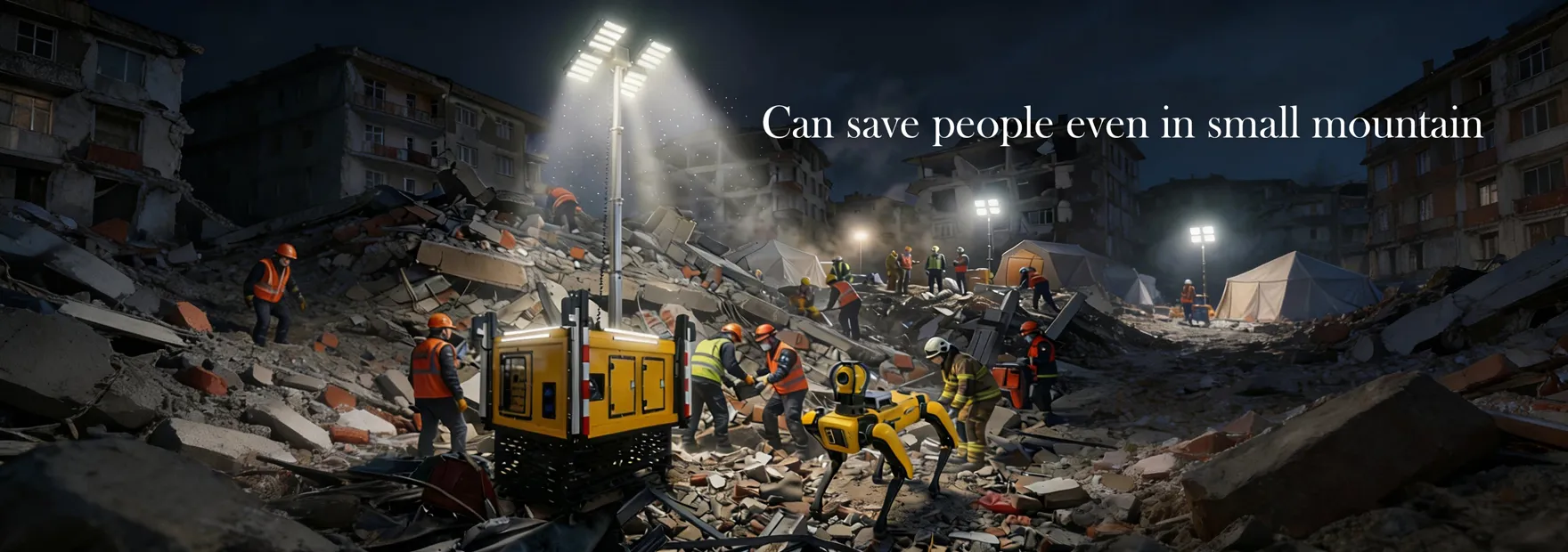
A mobile emergency lighting shelter is a transportable enclosure that brings lighting—and typically supporting power functions—to an incident or outage location as one deployable asset. Specifying one is different from choosing a mast-only unit; the tower decision path already lives in the emergency lighting tower comprehensive guide.
This article writes the requirement inputs. It does not design the response operation and it does not assign performance numbers to any product.
Part 2. Which mission inputs anchor the specification?
Preparedness resources such as Ready.gov’s power outage guidance push organizations to plan alternate lighting and power before the event. The specification starts by writing that plan’s equipment-facing half.
| Mission input | Question to answer | Record |
|---|---|---|
| Mission profile | Outage support, rescue support, or both? | One-paragraph statement |
| Deployment trigger | Who sends it, on what event? | Trigger and owner |
| Response window | How fast must it be working? | Target time |
| Duration expectation | Hours or days per deployment? | Duty statement |
| Crew | Who deploys and operates it? | Roles and training level |
Every later line in the specification traces back to this table. Write it first and keep it short.
Part 3. How should lighting and power expectations be written?
Write expectations as duty descriptions, not invented figures. State what must be lit, over what area intent, for how long, and which loads may need power—then let suppliers answer with documented capability for their configuration.
Important: Put the burden of numbers on the supplier’s documents; a buyer-invented lux or kilowatt line becomes a fake requirement nobody can verify. Source: application-first selection language, Atlas Copco light tower selection guidance.
Workplace-facing resources such as OSHA’s emergency preparedness pages frame what response readiness involves; the governing rule for any given site defines the actual lighting duty the mission must meet.
Part 4. Which mobility and deployment inputs belong?
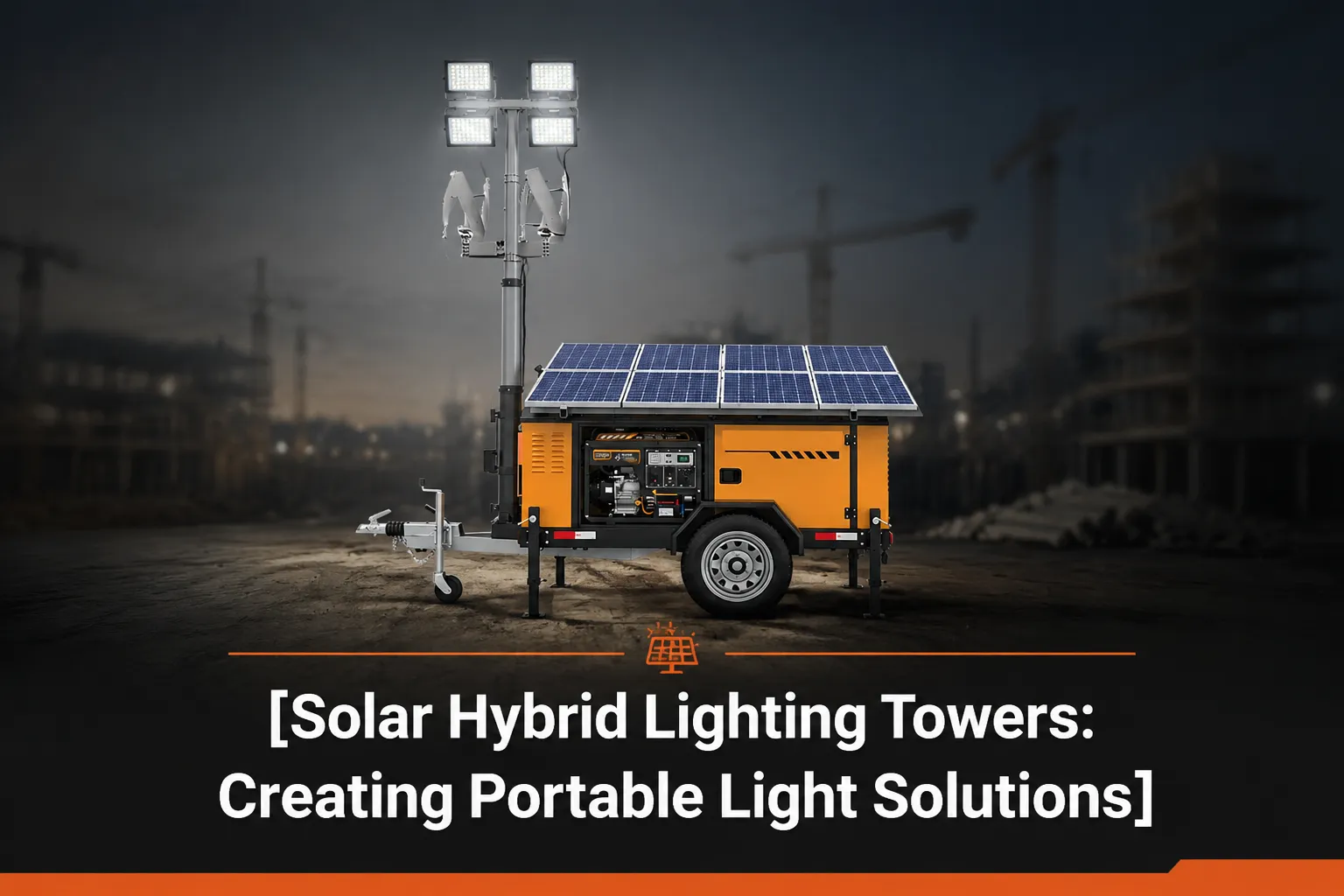
Record how the shelter travels, who carries it, and what the arrival point looks like. Self-loading designs change this section heavily—the self-loading mobile lifting light tower guide shows how that family deploys without destination lifting equipment.
| Mobility input | What to record |
|---|---|
| Transport mode | Carrier vehicle class and availability |
| Loading method | Self-loading cycle or external lifting |
| Arrival point conditions | Surface, slope, space, overhead notes |
| Repositioning expectation | Once per event or multiple moves |
| Storage between events | Where the shelter waits, and in what state |
Part 5. Which environmental and duty conditions must be recorded?
State the temperature range, precipitation and wind exposure, dust or coastal conditions, and the standby pattern between deployments. Ask suppliers to answer each condition with the relevant document page for the offered configuration rather than a general assurance.
Temporary-operations practice, as collected in the FHWA practices library, treats environment and duty as planning inputs; a specification that skips them produces equipment surprises at the worst time.
Part 6. Which documents and RFQ items close the specification?
Close with a document demand list: configuration description, lighting and power capability pages, transport and loading instructions, environmental limits, service intervals, and warranty terms—each tied to a numbered requirement line.
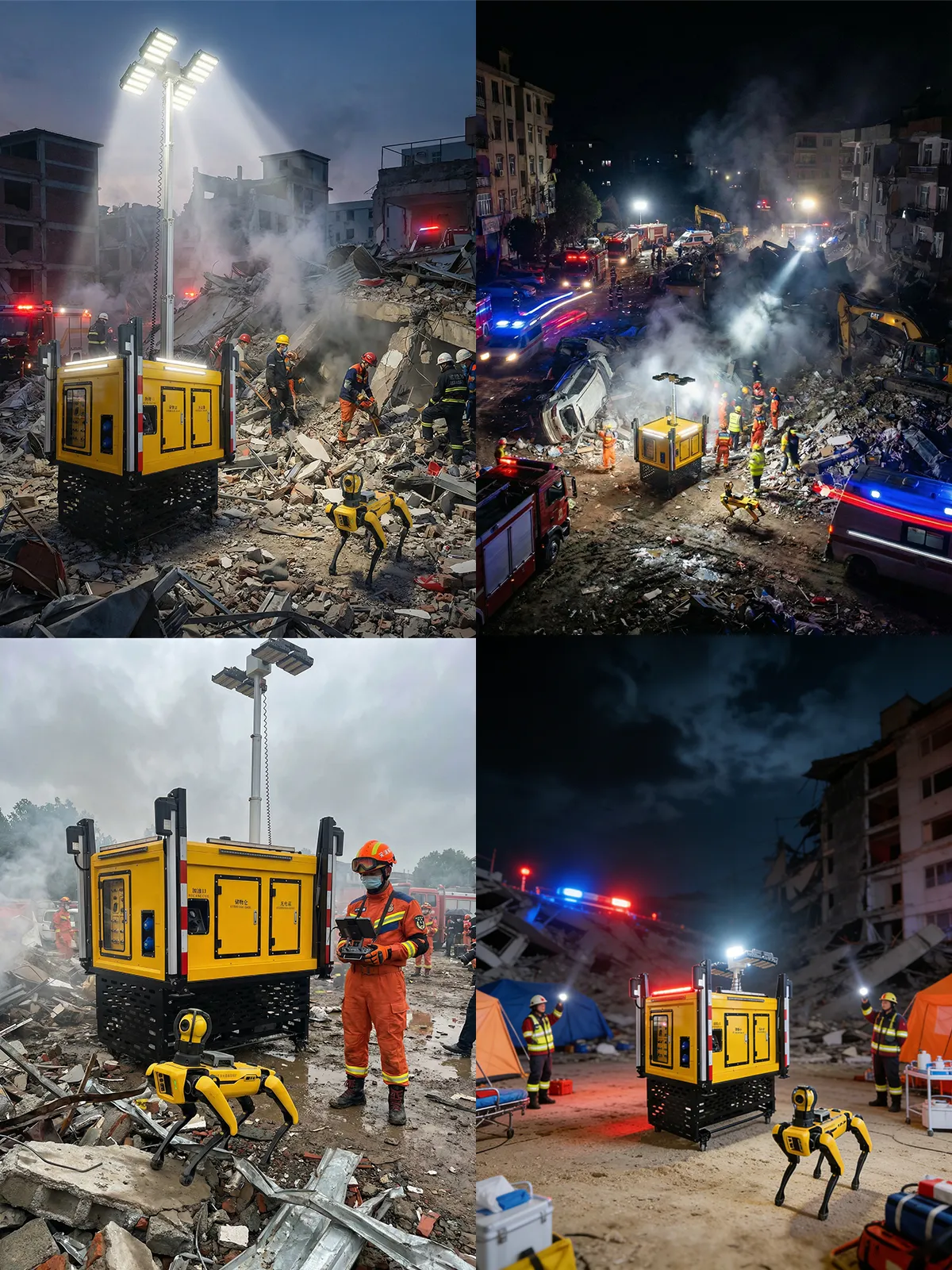
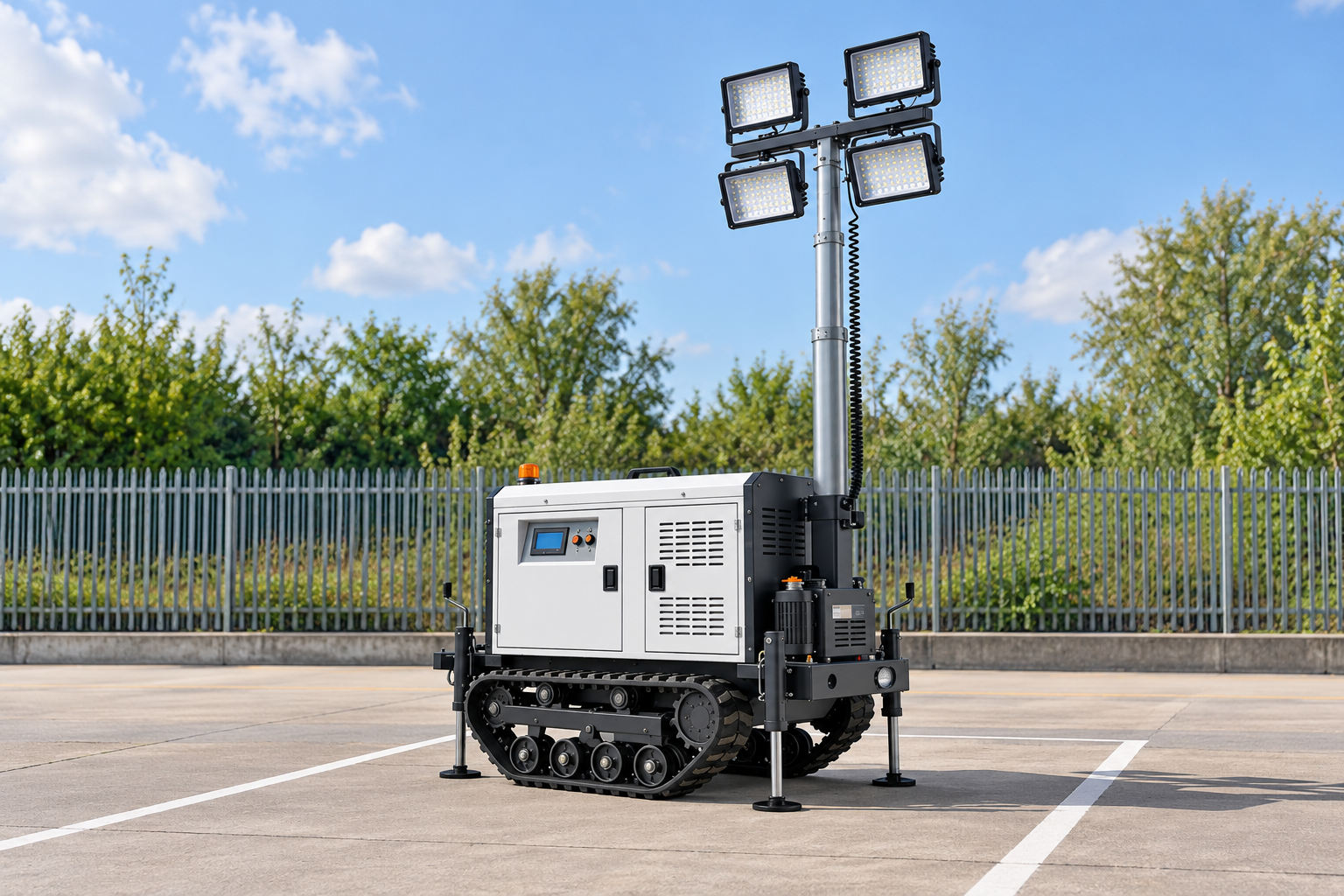
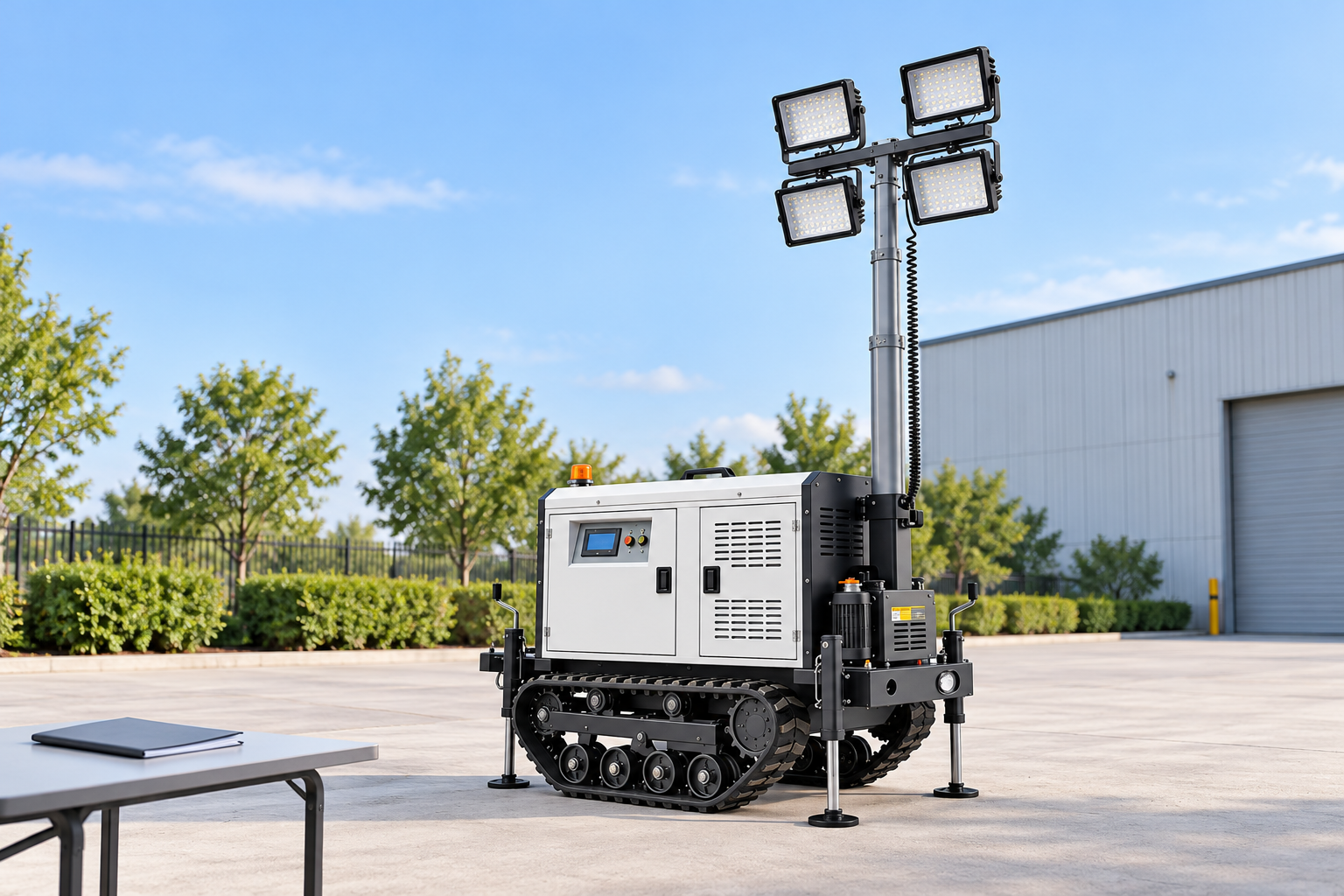
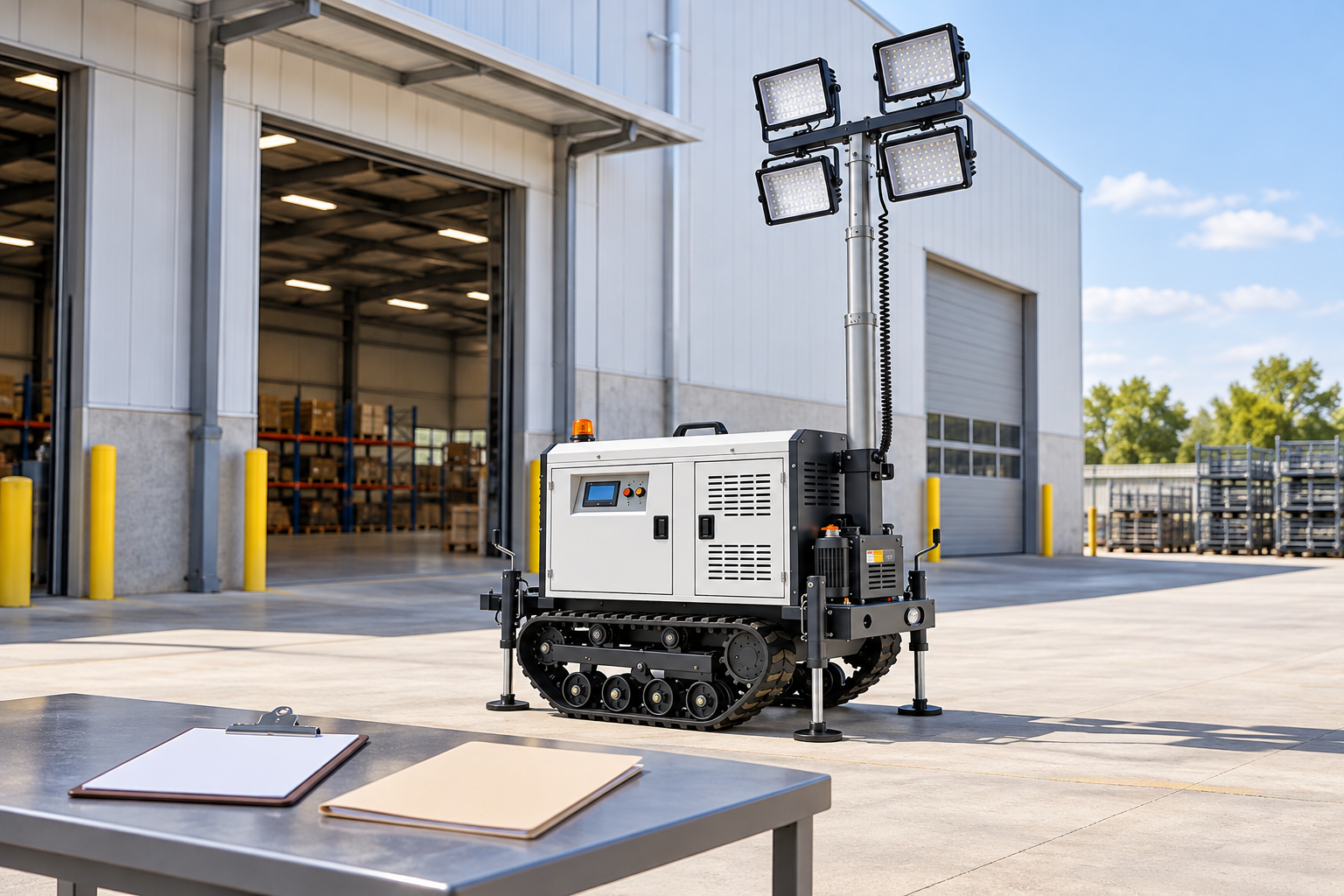
Product recommendation: use the listed self-loading mobile rescue shelter as a document-review starting point when a shelter-class response asset is on the shortlist. The page names a configuration; it does not state capacity, runtime, or protection figures for your mission. Related deployable families sit under the self-loading mobile lifting light tower range.
Fit Boundary
This guide is suitable for writing specification inputs and an RFQ. It is not suitable as an emergency-response plan, a compliance ruling, or a Keyyou capability commitment. For a document-level review, send the mission profile.
Part 7. When is a shelter specification not the right tool?
Stop specifying a shelter when the mission only needs area lighting a mast unit already serves—the jobsite emergency light tower overview covers that simpler case. Also stop when the real gap is the response plan itself: equipment specifications cannot substitute for a plan that says who deploys what, where, and when.
FAQs
What is a mobile emergency lighting shelter used for?
It brings lighting and supporting power functions to an incident or outage location as one transportable asset, instead of assembling separate pieces on scene.
Which mission details must be written before specifying one?
Mission profile, deployment trigger, response window, duration expectation, and the crew who will deploy and operate it.
How should lighting and power expectations be described without inventing numbers?
As duty descriptions—what must be lit, for how long, which loads need power—answered by supplier documents rather than buyer-invented figures.
Which mobility and deployment inputs belong in the specification?
Transport mode, loading method, arrival-point conditions, repositioning expectations, and storage between events.
Which environmental conditions must the specification record?
Temperature range, precipitation and wind exposure, dust or coastal conditions, and the standby pattern between deployments.
What documentation should buyers demand from suppliers?
Configuration description, capability pages for lighting and power, transport and loading instructions, environmental limits, service intervals, and warranty terms.
How is this different from choosing an emergency lighting tower?
A tower purchase selects a mast-based lighting unit. A shelter specification defines a multi-function deployable asset and demands document evidence per requirement.