
Which Procurement Inputs Belong in a Mobile Drainage Shelter File?
Procure a mobile drainage shelter by writing the flood-response mission, the deployment sites, the water-handling duty as questions for supplier documents, the mobility and discharge constraints, and a document demand list—never by copying pump figures into your own file. Flood equipment bought without written inputs becomes the wrong equipment in the first real event.
Part 1. What is a mobile drainage shelter procurement actually buying?
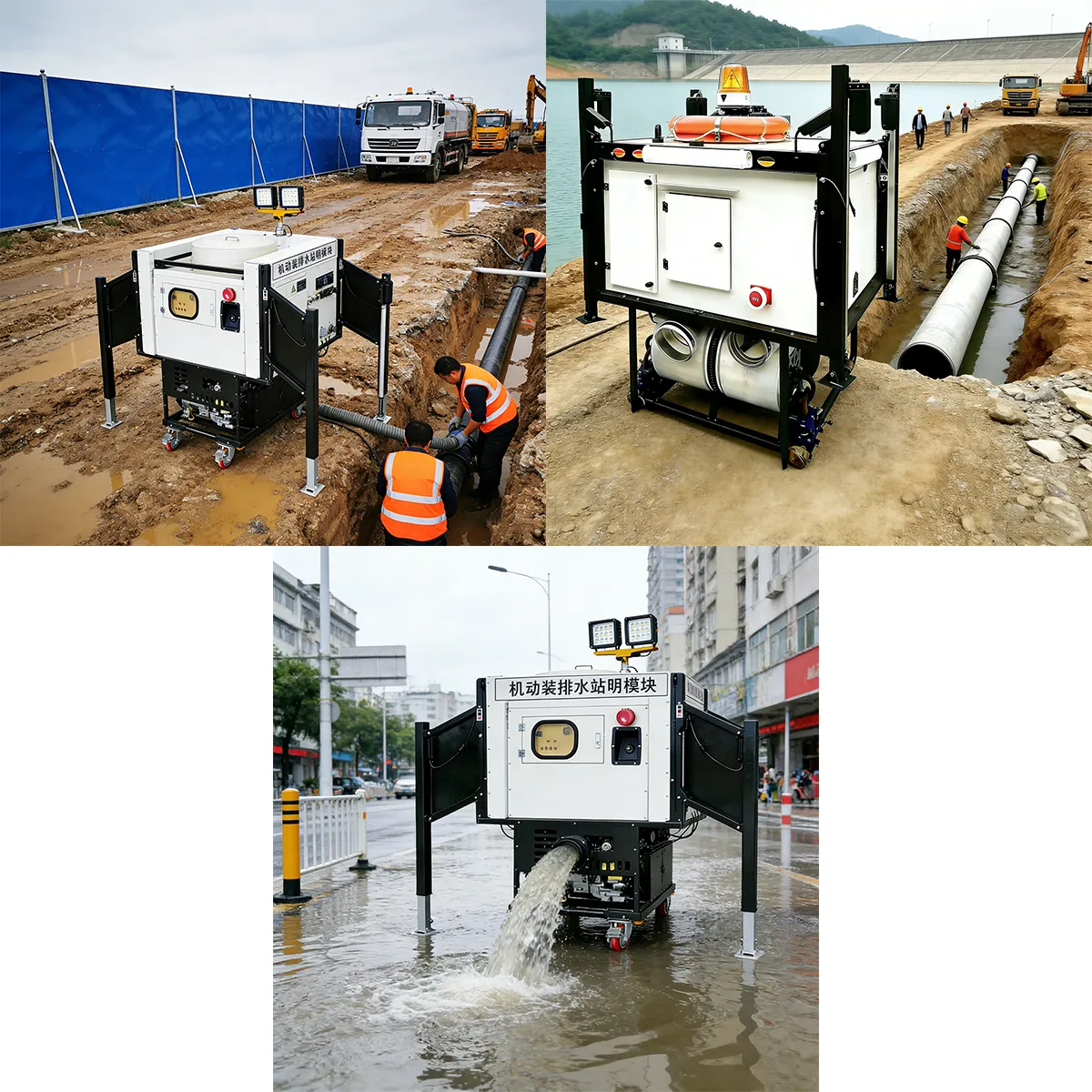
It buys a transportable water-removal asset: an enclosure that arrives at a flooded or flood-threatened location carrying pumping equipment and its support functions as one deployable unit. The procurement file defines the mission and demands document evidence; it does not run the pumping operation, which deserves its own planning pass.
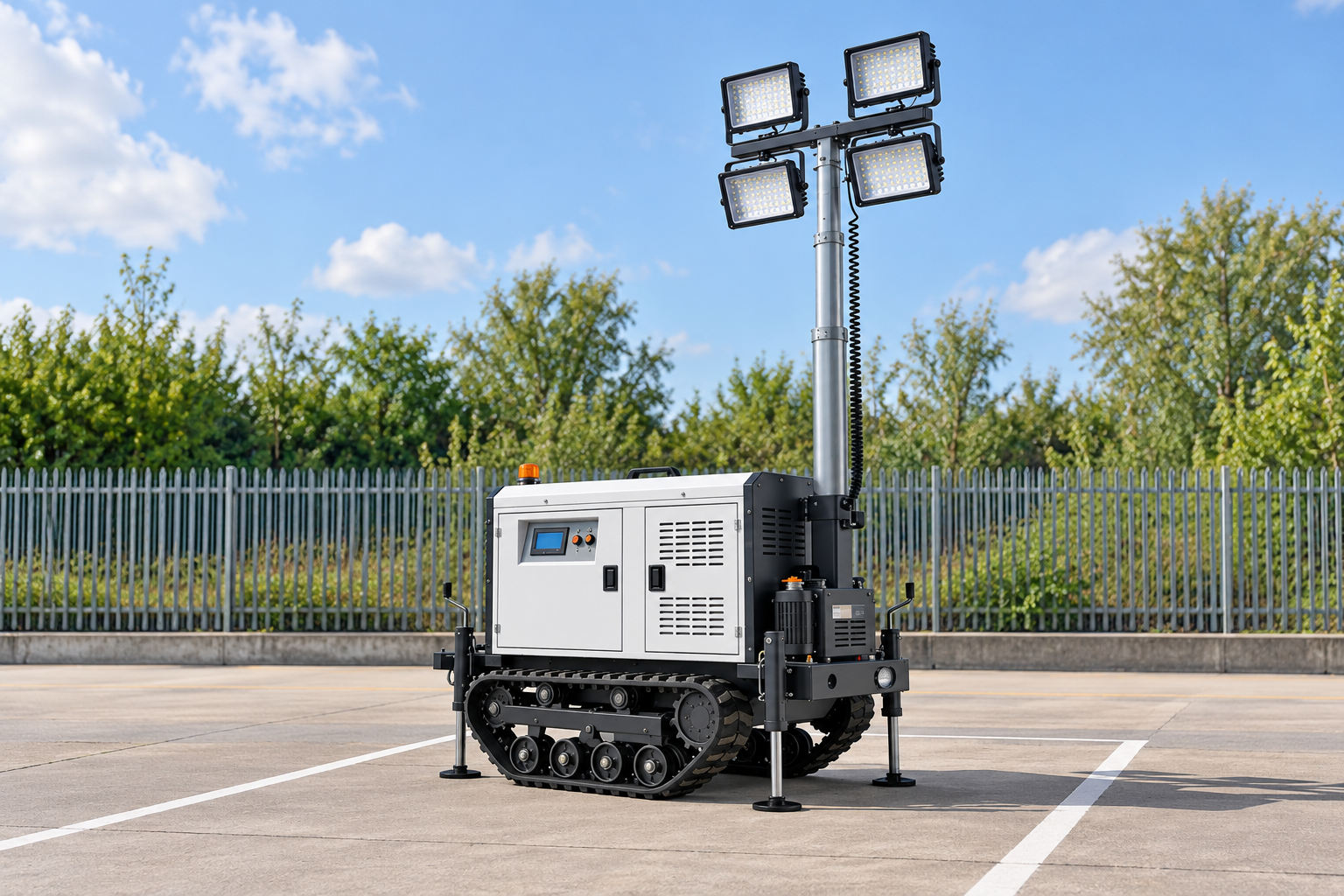
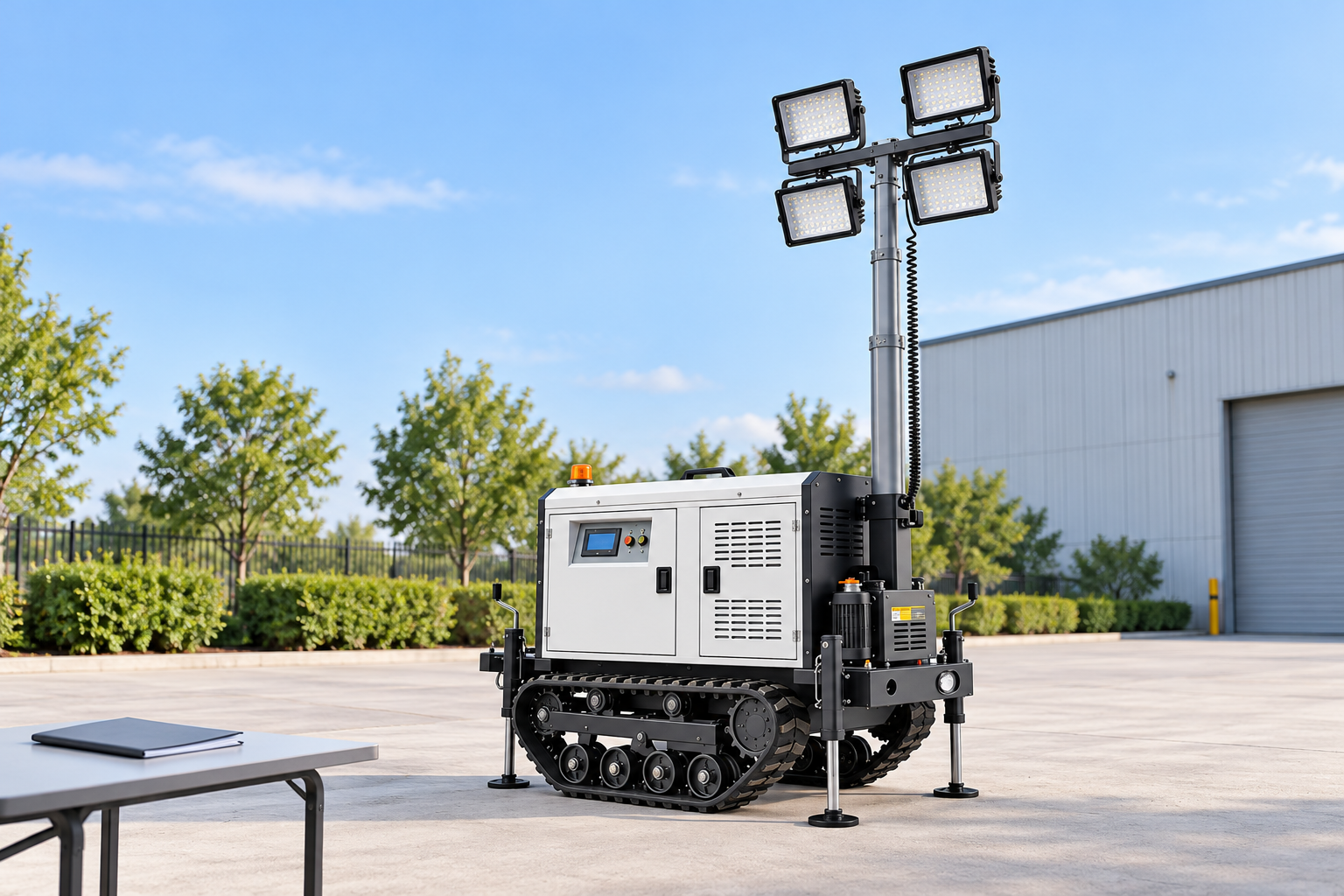
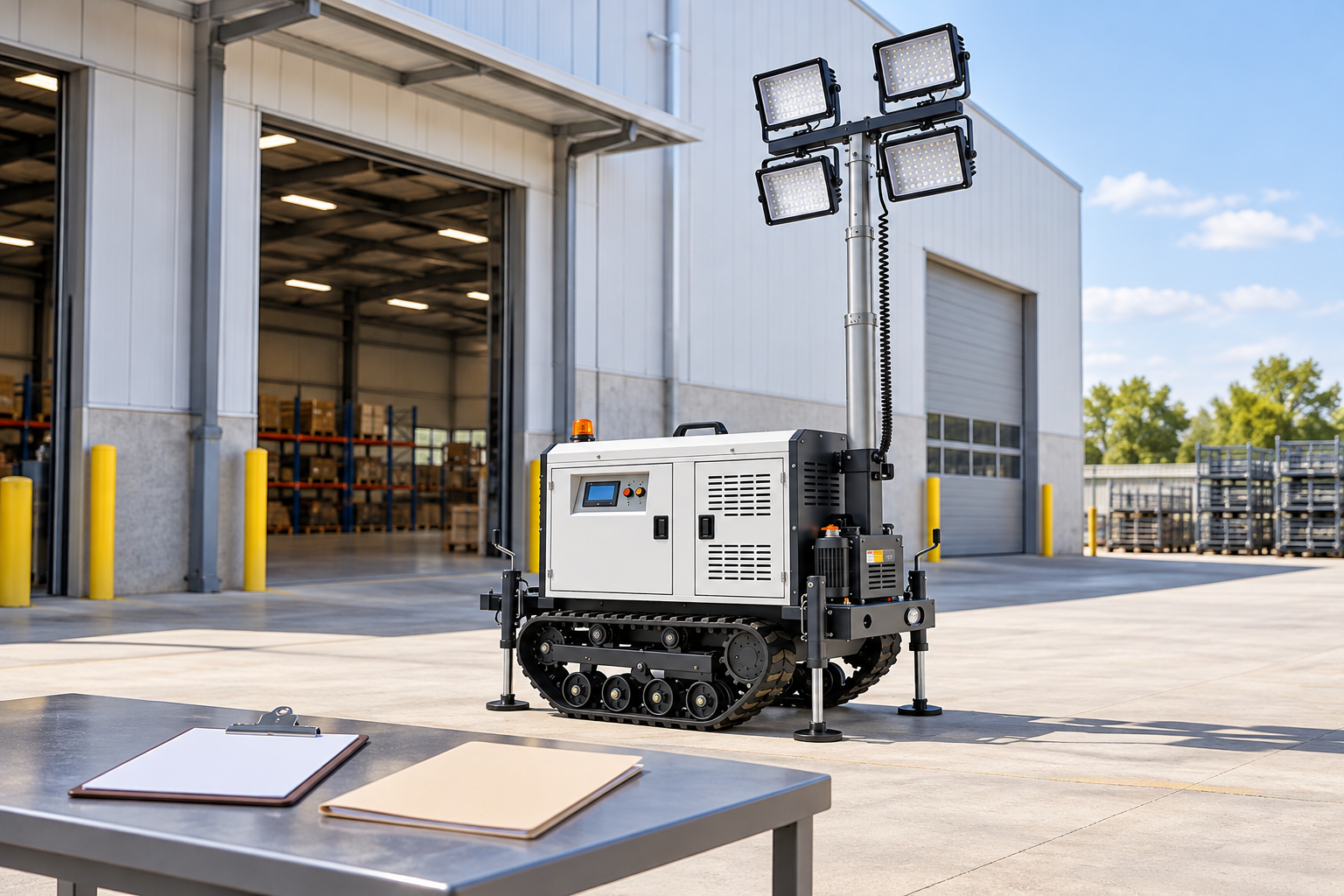
The self-loading family logic behind many of these units is described in the self-loading mobile lifting light tower guide—the same deployment thinking carries into shelter-class assets.
Part 2. Which flood-response mission inputs come first?
Flood preparedness resources such as Ready.gov’s flood guidance put planning before the event, and procurement is that planning’s purchasing arm. Write the mission in one page.
| Mission input | Question to answer | Record |
|---|---|---|
| Protected assets | What does this unit defend—substation, basement plant, access road? | Asset list |
| Trigger and owner | Who deploys it, on what warning? | Trigger statement |
| Response window | How fast from warning to pumping? | Target time |
| Event profile | Flash events, seasonal water, or both? | Scenario notes |
| Crew | Who operates it, at what training level? | Roles |
Flood risk language from the NWS flood safety pages helps frame scenario notes without inventing local hydrology.
Part 3. How should water-handling expectations be written?
Write duty questions, not performance numbers. State the water depths and debris character expected, the distance and lift the water must travel, and the duration the unit may run—then require each supplier to answer with documented figures for the offered configuration.
Important: Keep pump flow, head, and runtime lines out of your own file; demand them as supplier document answers so every number stays traceable. Source: procurement discipline; discharge and safety rule families such as OSHA flood response resources.
Part 4. Which site and deployment inputs belong in the file?
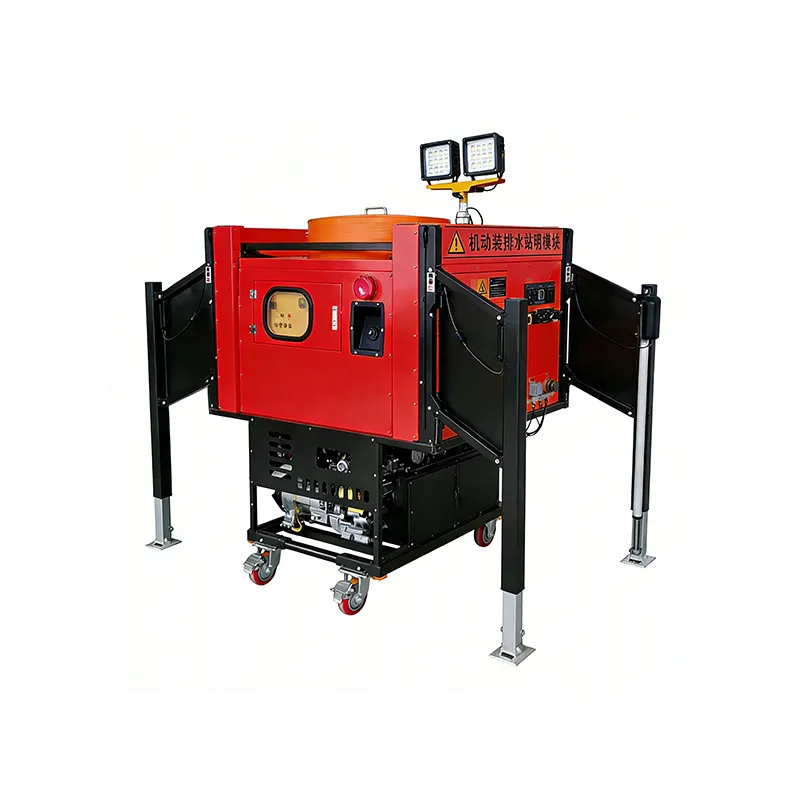
Flooded sites punish equipment that cannot arrive or stand properly. Record each candidate deployment site while it is dry.
| Site input | What to record |
|---|---|
| Access route in flood conditions | Which roads stay usable |
| Standing position | Surface, slope, and space above waterline |
| Loading method | Self-loading cycle or external lifting |
| Power and fuel support | What the site can offer during an event |
| Repositioning expectation | Fixed defense or roaming duty |
Temporary-operations practice in the FHWA practices library treats these as planned inputs, not day-of improvisation.
Part 5. Which rules and discharge questions must be recorded?
Pumped water goes somewhere, and that somewhere is regulated in most jurisdictions. Discharge rule families exist—see the EPA stormwater discharge program for the construction-facing example—so record where each site’s water would legally go and which permit or authority answers that question locally.
Worker-safety resources for flood response, collected on OSHA’s flood pages, belong in the file as planning references; the governing local rules define actual requirements.
Part 6. Which supplier documents close the procurement file?
Demand a numbered document set: configuration description, pumping capability pages, power and fuel data, transport and loading instructions, environmental limits, service intervals, spare-parts basis, and warranty terms—each mapped to a requirement line in your file.
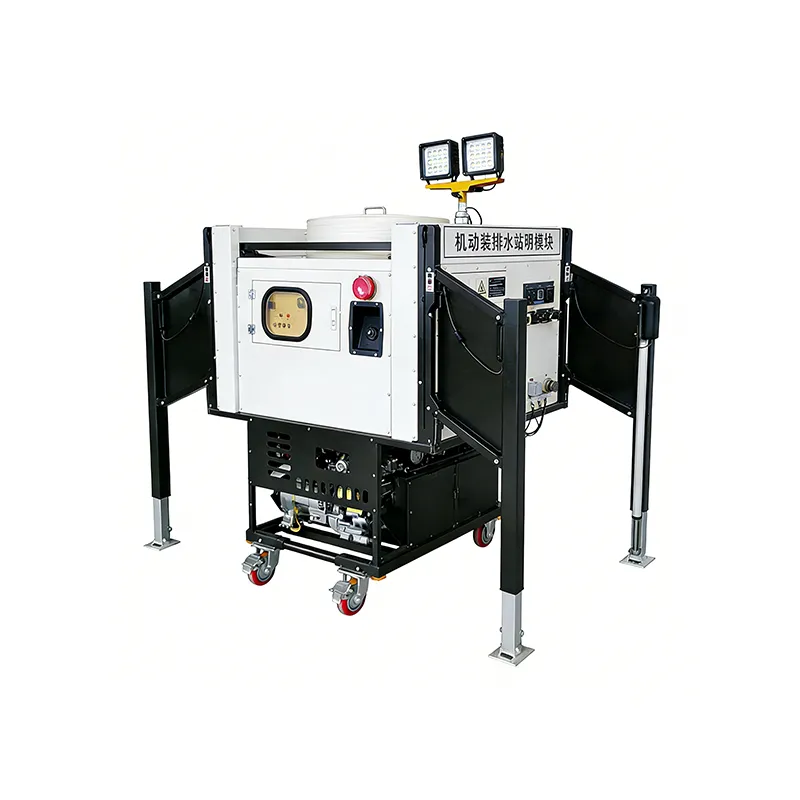
Product recommendation: use the listed self-loading mobile drainage shelter box as a document-review starting point when a deployable drainage asset is on the shortlist. The page names a configuration; it does not state flow, head, or flood outcomes for your mission. Related deployable families sit under the self-loading mobile lifting light tower range.
Fit Boundary
This guide is suitable for building a procurement input file and RFQ. It is not suitable as a flood-response plan, a pumping design, a discharge permit, or a Keyyou performance commitment. For a document-level review, send the mission statement and site list.
Part 7. When is procurement input work not enough?
Stop at procurement inputs when the operating questions start—shift patterns, hose runs, and discharge routing belong to the pumping-operation plan, not the purchase file. Stop entirely when the mission is generic emergency lighting: that need is already served by mast units covered in the emergency lighting tower comprehensive guide.
FAQs
What is a mobile drainage shelter and when is it procured?
A transportable water-removal asset carrying pumping equipment and support functions as one unit, procured before flood season as part of preparedness planning.
Which flood-response mission inputs must be written first?
Protected assets, deployment trigger and owner, response window, event profile, and operating crew.
How should water-handling expectations be stated without inventing pump figures?
As duty questions—expected depths, debris, distance, lift, and duration—answered by supplier documents with traceable figures.
Which site and deployment inputs belong in the procurement file?
Flood-condition access routes, standing positions, loading method, on-site power and fuel support, and repositioning expectations for each candidate site.
Which rules and discharge questions must procurement record?
Where pumped water legally goes at each site, which permit or authority governs it, and which worker-safety references apply to the response.
What supplier documents should a drainage shelter RFQ demand?
Configuration description, pumping capability pages, power and fuel data, transport instructions, environmental limits, service intervals, spares basis, and warranty terms.
How is procurement different from planning the pumping operation?
Procurement writes the mission and buys documented capability. The pumping plan schedules crews, hoses, and discharge routing for actual events.