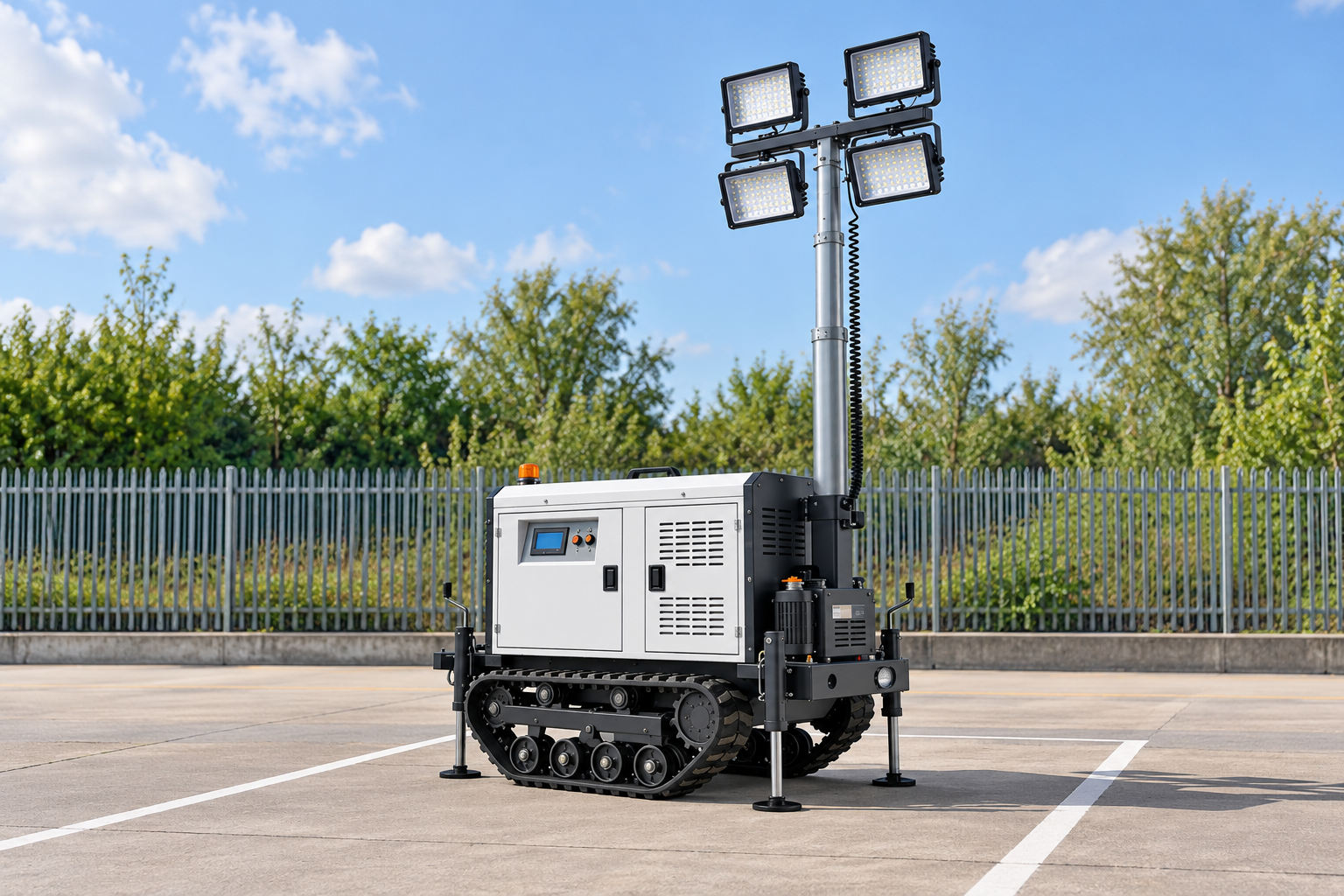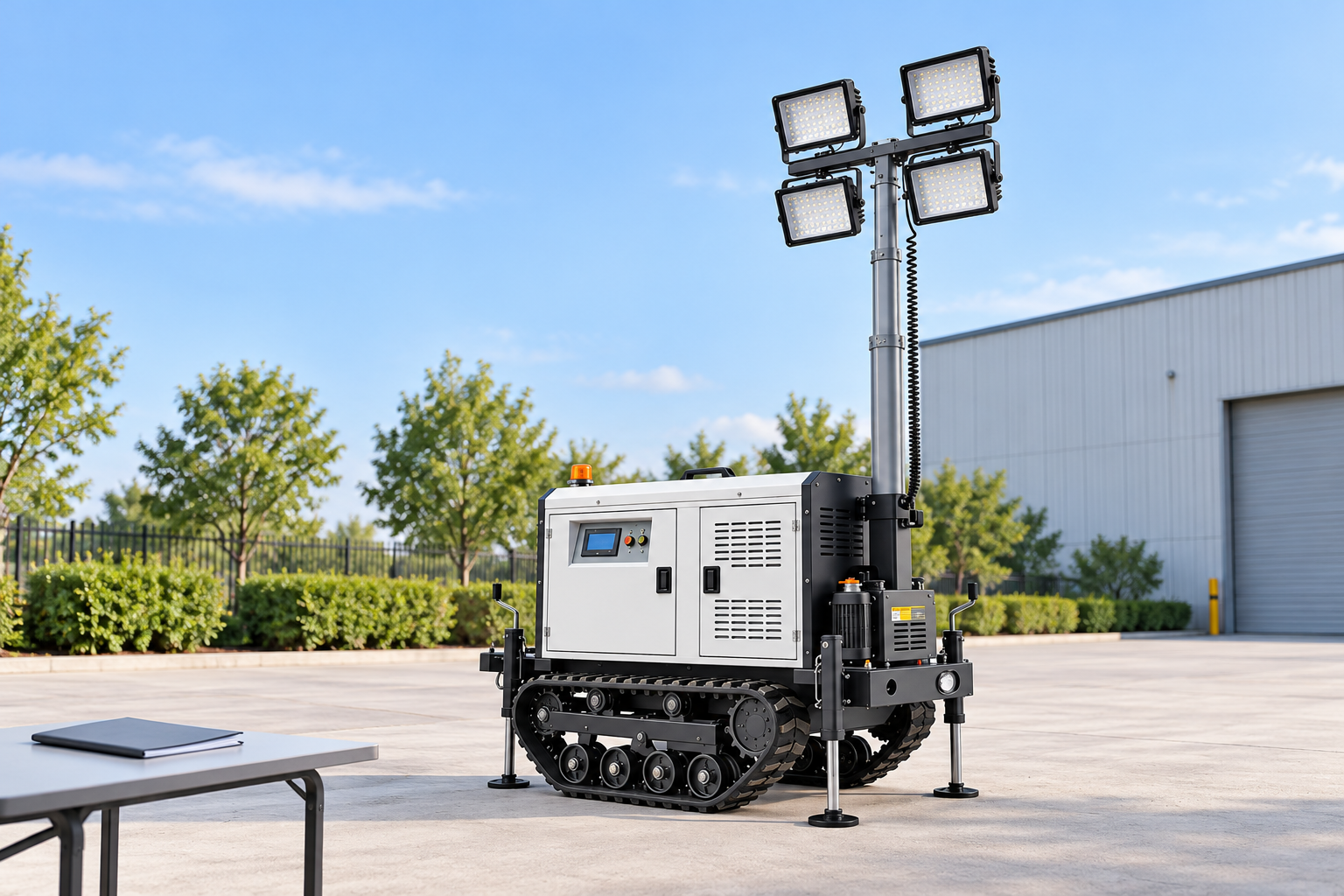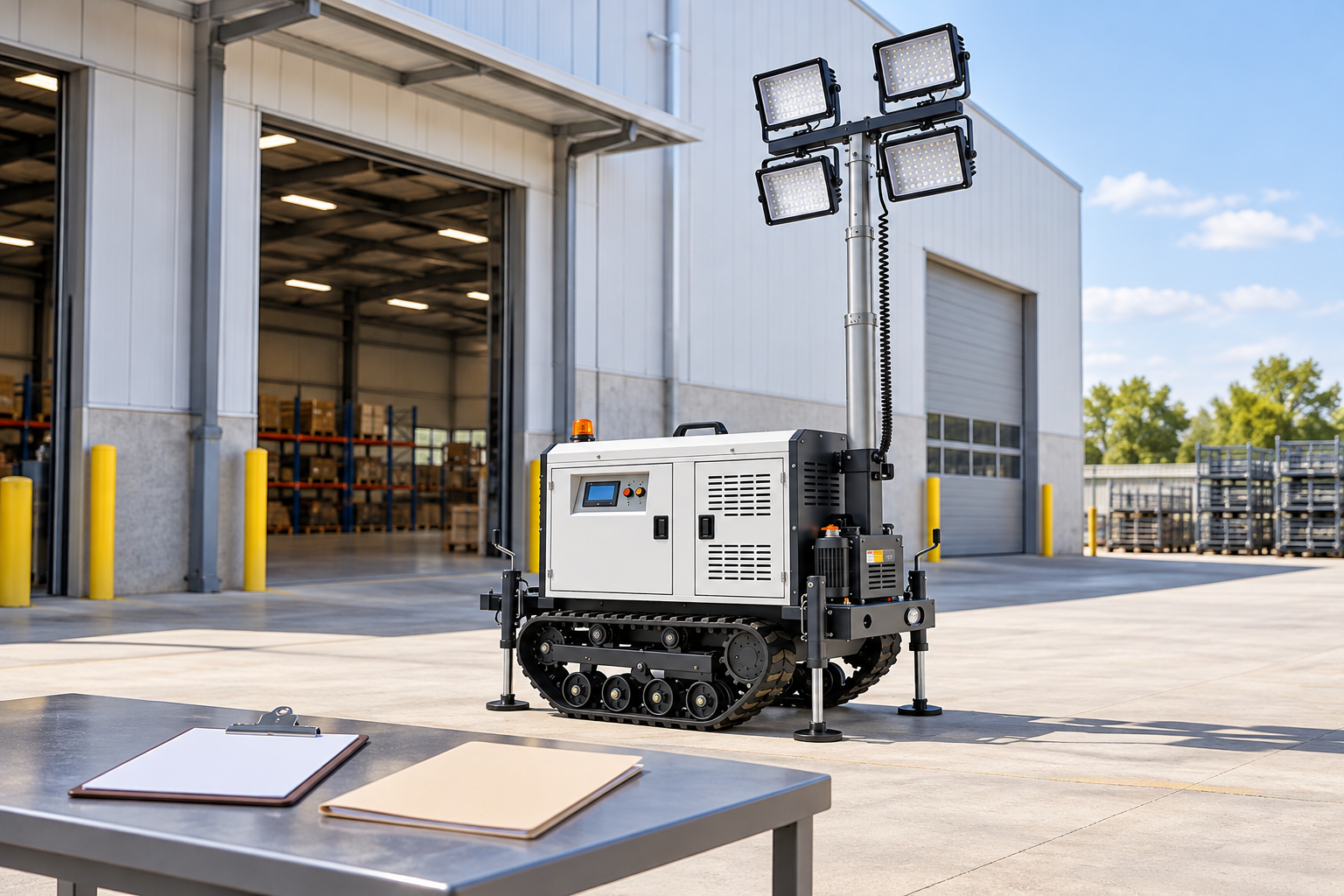

What Should a Road Repair Temporary Lighting Plan Cover?
Road repair temporary lighting is a night-work plan that lights the active lane closure and crew zones while controlling glare toward live traffic and keeping towers clear of plant movement; it is not a generic construction pad layout. Use it to connect lane geometry to tower aiming and relocation rules. It is a checklist for project buyers and site teams — not sizing or approval for road-repair-temporary-lighting.
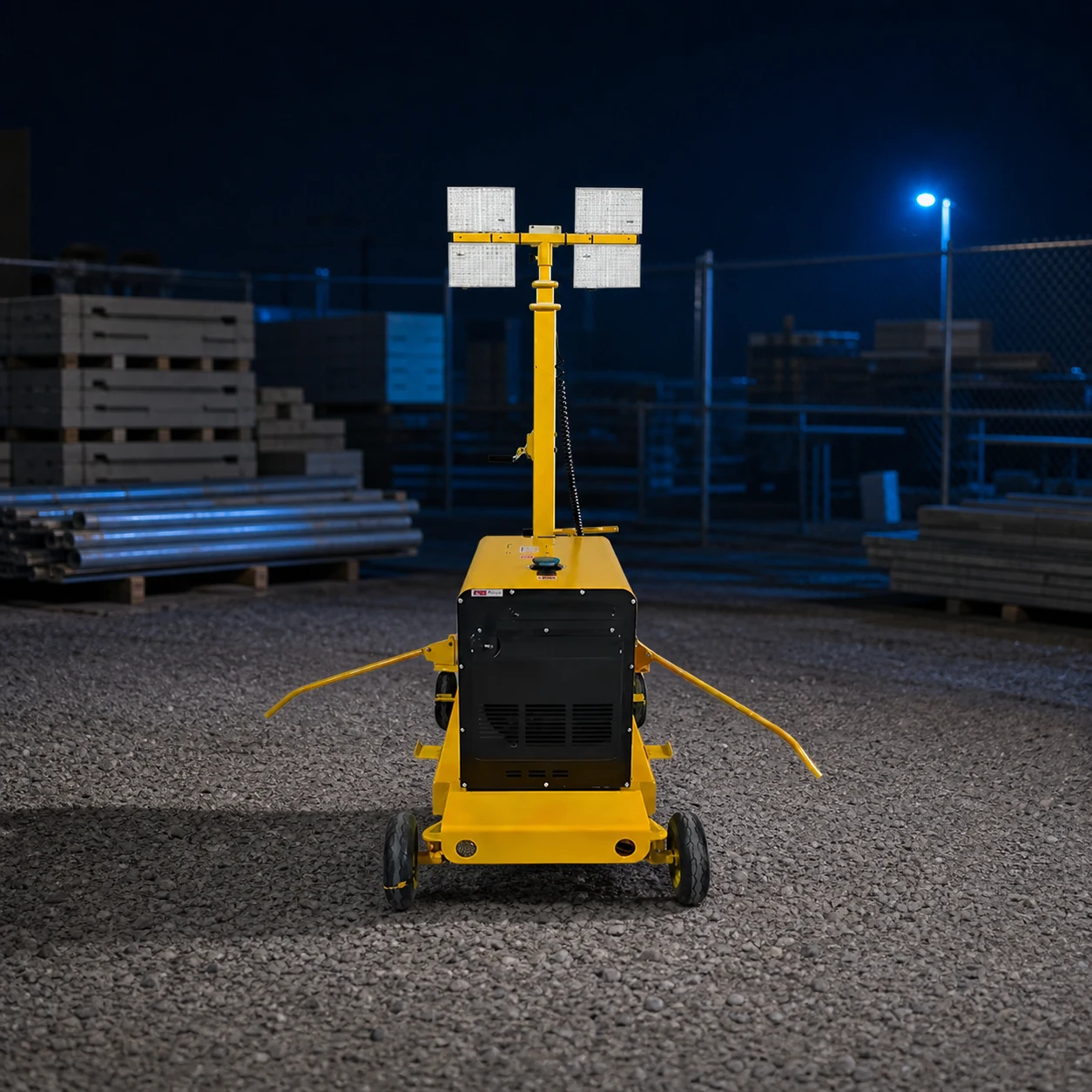
Part 1. What Makes Road Repair Lighting Different?
Linear closures, moving fronts, and live traffic glare make road work different from a static yard. The plan must track the active patch each night.
Readers searching for road repair temporary lighting usually need a project checklist, not a catalog slogan.
Part 2. Which Geometry Inputs Decide Tower Positions?
Record lane width, taper length, crew side, equipment parking, and overhead limits. Those inputs set mast height and setback.
| Road input | What to record | Lighting effect |
|---|---|---|
| Active patch length | Nightly work front | Unit spacing |
| Live traffic side | Approach direction | Glare aiming |
| Overhead limits | Bridges, lines | Mast cap |
| Shoulder bearing | Soft ground notes | Pad choice |
Part 3. How Should Glare Toward Traffic Be Controlled?
Aim away from approaching drivers where possible and use cut-off or shield notes in the RFQ. Glare complaints often shut a shift early.
Important: Road repair temporary lighting fails when glare toward live traffic is treated as an afterthought. (Source: Project traffic management plan / outdoor lighting practice.)
Part 4. How Fast Must Towers Relocate?
As milling or paving advances, towers move. Write the relocation time budget and who owns the move so lighting does not lag the front.
Part 5. What Transport and Setup Checks Apply?
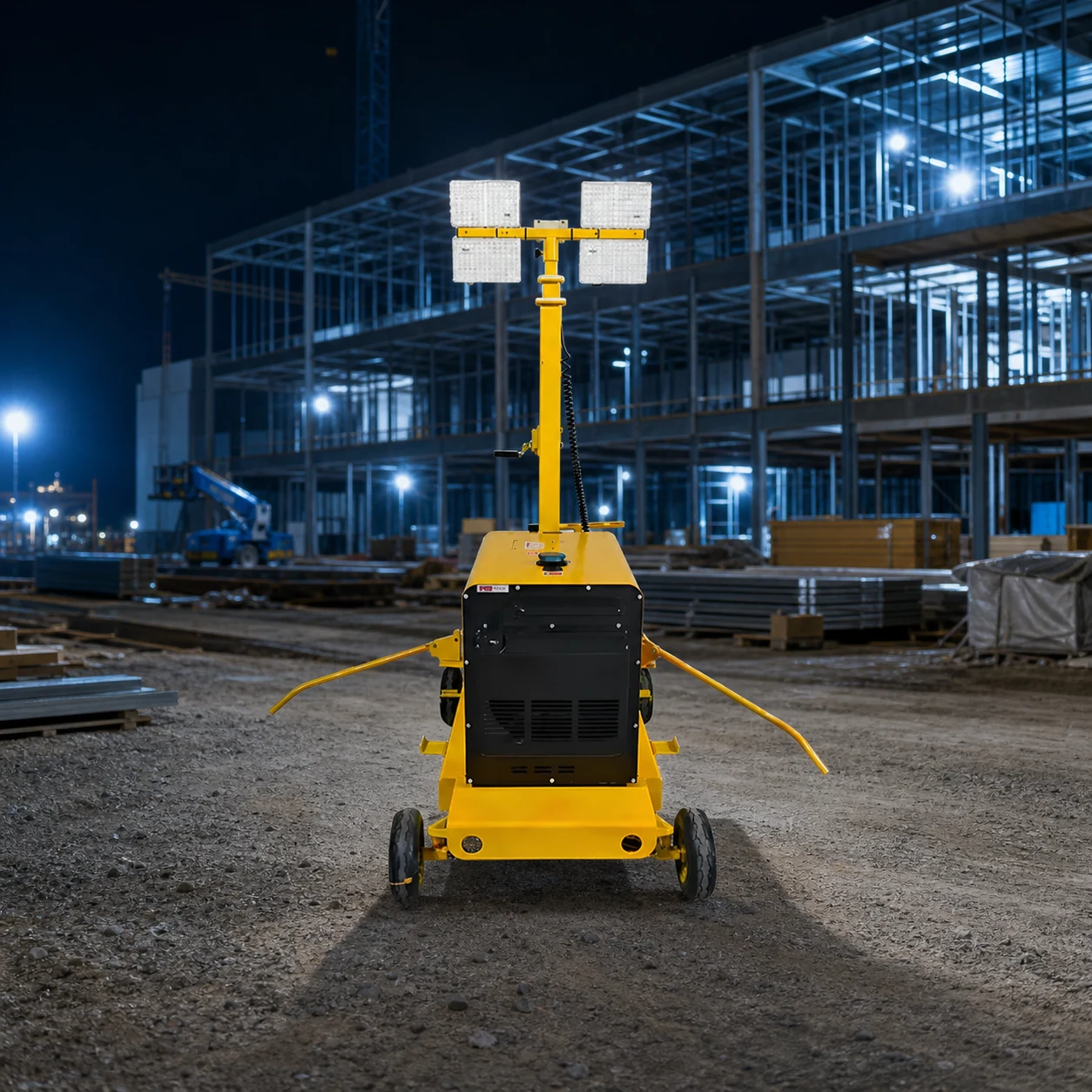
Trailer units need hitch, outrigger, and leveling checks beside the road. Soft shoulders and overnight parking rules belong in the same checklist.
Part 6. Which Keyyou Routes Fit Road Night Work?
When glare, mast, and relocation notes are attached, discuss electric-pole trailer routes suited to frequent aiming adjustments.
| Project signal | Keyyou route | Send with inquiry |
|---|---|---|
| Documented road night plan | Trailer electric-pole tower | Lane sketch, glare notes, move budget |
| Fleet discussion | Trailer-style light tower range | Transport and setup constraints |
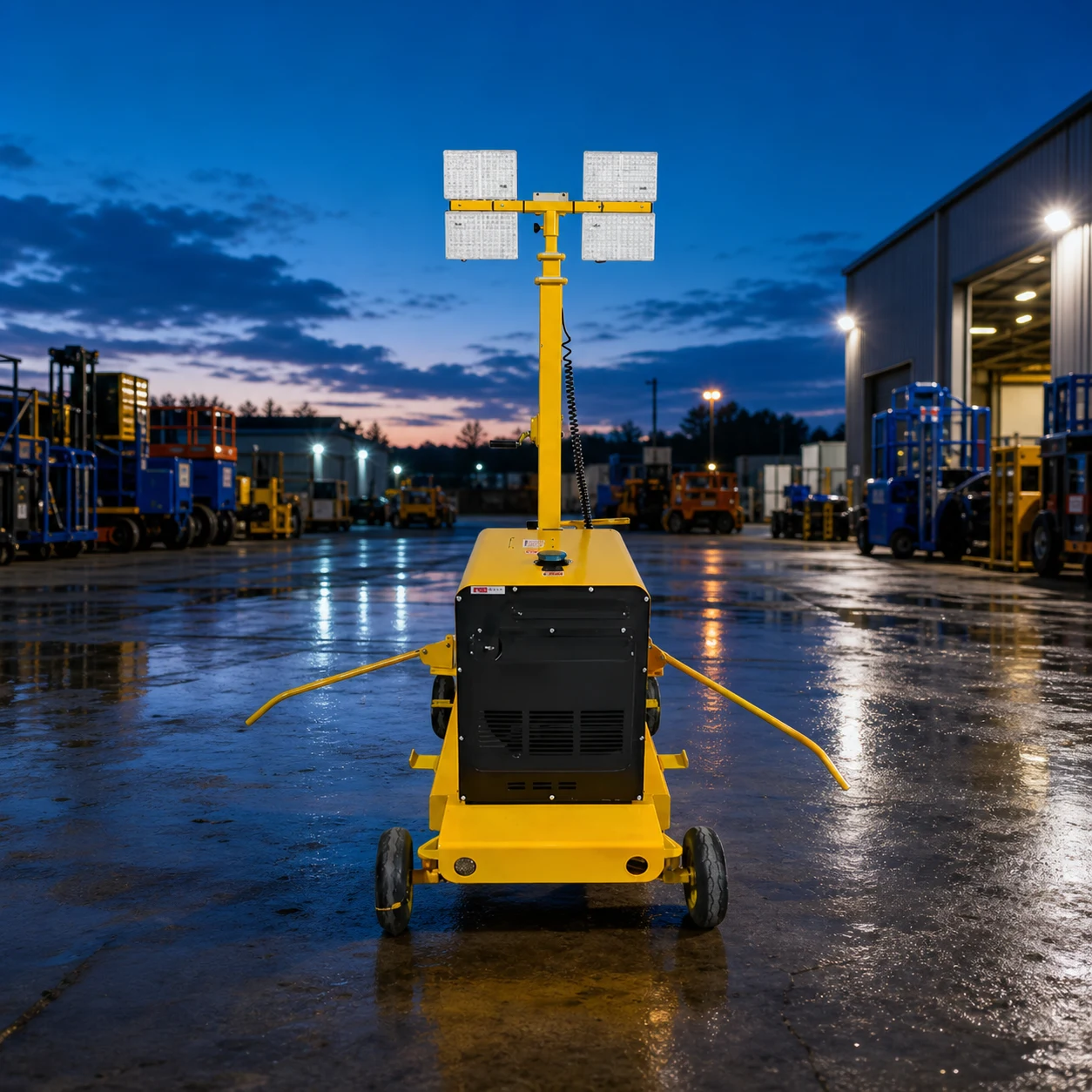
- Trailer-Type Mobile Lighting Tower (Electric Pole) — trailer route when road-work glare and mast limits are documented.
Related articles: – trailer light tower setup checklist – trailer light tower transport checklist – light tower placement planning
Share the lane glare plan via the Keyyou trailer-style mobile light tower range route, or contact Keyyou before the night shift starts.
Why not: Do not aim flood beams into live traffic to chase a higher lux reading on the patch.
Part 7. What Are the Fit Boundaries?
This checklist supports procurement language. It does not design traffic control or authorize a road closure.
FAQ
What is road repair temporary lighting?
It is night lighting for active lane repairs that balances task lux with glare control toward live traffic.
Why is glare control critical on roads?
Glare can endanger drivers and trigger complaints that stop the shift.
How do moving work fronts change tower needs?
Towers must relocate with a written time budget as the patch advances.
Which mast limits appear on road jobs?
Bridges, overhead lines, and local height caps often constrain mast choice.
What setup checks matter beside a shoulder?
Leveling, outriggers, hitch security, and bearing on soft ground.
What should an RFQ include for road lighting?
Lane sketch, glare rules, mast caps, relocation timing, and transport notes.
Does this article approve traffic control?
No. Traffic control stays with the project authority.