
What Is Batten Lighting? Types, Uses, and Selection
A practical guide to traditional and modern forms, where battens work well, and plan quantity and spacing, with decision checks, sources, and FAQs.
Batten lighting refers to a long, narrow, surface-mounted or suspended luminaire that provides linear general lighting. Traditional battens held fluorescent tubes on a metal or plastic channel; modern LED battens may use replaceable tubes or an integrated LED and driver behind a diffuser. They are common in workshops, garages, corridors, stores and utility spaces. Choose by length, output, distribution, glare, color, flicker, controls, emergency option and environmental rating—not by length alone.
Traditional and modern forms

A fluorescent batten typically combines a channel, lampholders, ballast and one or two tubes, sometimes with a diffuser. LED tube retrofits keep part of that structure, while integrated LED battens replace lamp and ballast with boards, driver and optical cover. The term is common in the UK, Australia and related markets; other regions may say strip light or linear surface fixture. Similar names do not prove identical wiring or safety approvals.
Where battens work well
Their linear distribution suits aisles, workbenches, corridors, storage rooms, garages, plant rooms and back-of-house spaces. Rows can create uniform general illumination with simple mounting. In offices or low ceilings, uncontrolled brightness can cause glare, so diffusers, wider optics or indirect forms may be preferable. Wet, dusty, cold, food-processing or impact-prone areas need purpose-built enclosures and materials. Do not call every sealed linear fixture a batten without checking its specification.
Plan quantity and spacing

Start with maintained illuminance and uniformity for the task, room geometry, mounting height and surface reflectance. Use the exact photometric file to model rows and spacing. A longer or higher-watt batten does not automatically cover a proportional area because optic and mounting change distribution. Include shelves, doors, ducts and equipment shadows. Verify vertical light where labels, faces or controls must be seen.
Electrical and control choices
Confirm input voltage, driver, power factor, inrush, dimming protocol, sensor options and circuit capacity. Continuous rows can place many drivers on one switch, making inrush and control limits important. Emergency variants require the correct test and control arrangement. Integrated products may need complete replacement at failure; tube systems require compatible lamp and control gear. Compare service method and parts availability during procurement.
Environment and installation

Select indoor, damp, wet, dust, impact and temperature ratings for the real location. Mount to a structure using approved fixings, preserve fire and acoustic barriers, and support cable independently as required. Maintain clearances and do not trap an unsuitable driver under insulation. Qualified personnel should isolate supply and verify wiring. For suspended rows, include supports, alignment and seismic or secondary restraint where applicable.
Commissioning and maintenance
Check installed model, length, diffuser, orientation, spacing, controls and emergency functions. Inspect for flicker, dark ends, color mismatch and glare. Clean at an interval appropriate to the environment and replace failed components only with approved parts. Record driver and board information for integrated units. When retrofitting fluorescent battens, determine whether the ballast is retained, bypassed or removed according to an approved method; never mix instructions from different LED tubes.
Decision table
| Check | Evidence needed | Decision purpose |
|---|---|---|
| Open fluorescent batten | Replaceable tube and control gear | Legacy/general utility use |
| LED tube batten | Tube retrofit or purpose-built holder | Compatibility critical |
| Integrated LED batten | LED boards and driver in one luminaire | Check serviceability |
| Weatherproof batten | Sealed body and diffuser | Match location rating |
| Emergency batten | Backup driver or battery function | Requires testing and controls |
How to use this guide responsibly
This guide explains a decision process, not a substitute for the current product manual, professional diagnosis, engineering approval, medical care, or local legal requirements. Search results often compress a complex decision into a single answer. A safe conclusion needs the exact equipment or symptom, operating context, applicable jurisdiction, and evidence that can be checked. Keep model numbers, photographs, measurements, dates and instructions together so another qualified person can reproduce the decision.
Start with the lowest-risk observation. Do not defeat guards, interlocks, protective devices or warnings to obtain a reading. If the task involves energy, gas, structural loads, moving equipment, impaired vision or public safety, stop when conditions exceed your competence. The correct escalation is part of a successful diagnosis, not a failure to finish the job.
Evidence and documentation checklist
- Exact product, vehicle, appliance or system identity, including model and year where relevant
- Current manufacturer instructions and configuration-specific drawings
- Observed symptom or required outcome written in measurable terms
- Operating conditions, changes, previous work and environmental factors
- Applicable safety, electrical, structural, medical or road-use requirements
- Measurements recorded with instrument, units, test point and system state
- Decision, responsible person, corrective action and final verification
Do not convert a marketing phrase into a technical claim. Ratings only apply to the configuration and conditions stated by the issuer. When evidence conflicts, use the more conservative safe state while obtaining clarification from the manufacturer, authority or qualified professional.
Common mistakes to avoid
- Buying or acting from a keyword, photograph or marketplace title without identifying the exact system
- Changing several variables at once and losing the ability to identify the cause
- Using a measurement without units, load condition, reference point or instrument limitations
- Assuming a familiar symptom always has the same cause
- Bypassing protection or increasing a fuse, limit or rating to make a problem disappear
- Copying a competitor’s claim without checking primary documentation
- Treating a temporary improvement as proof that the underlying issue is resolved
Connection to professional area lighting
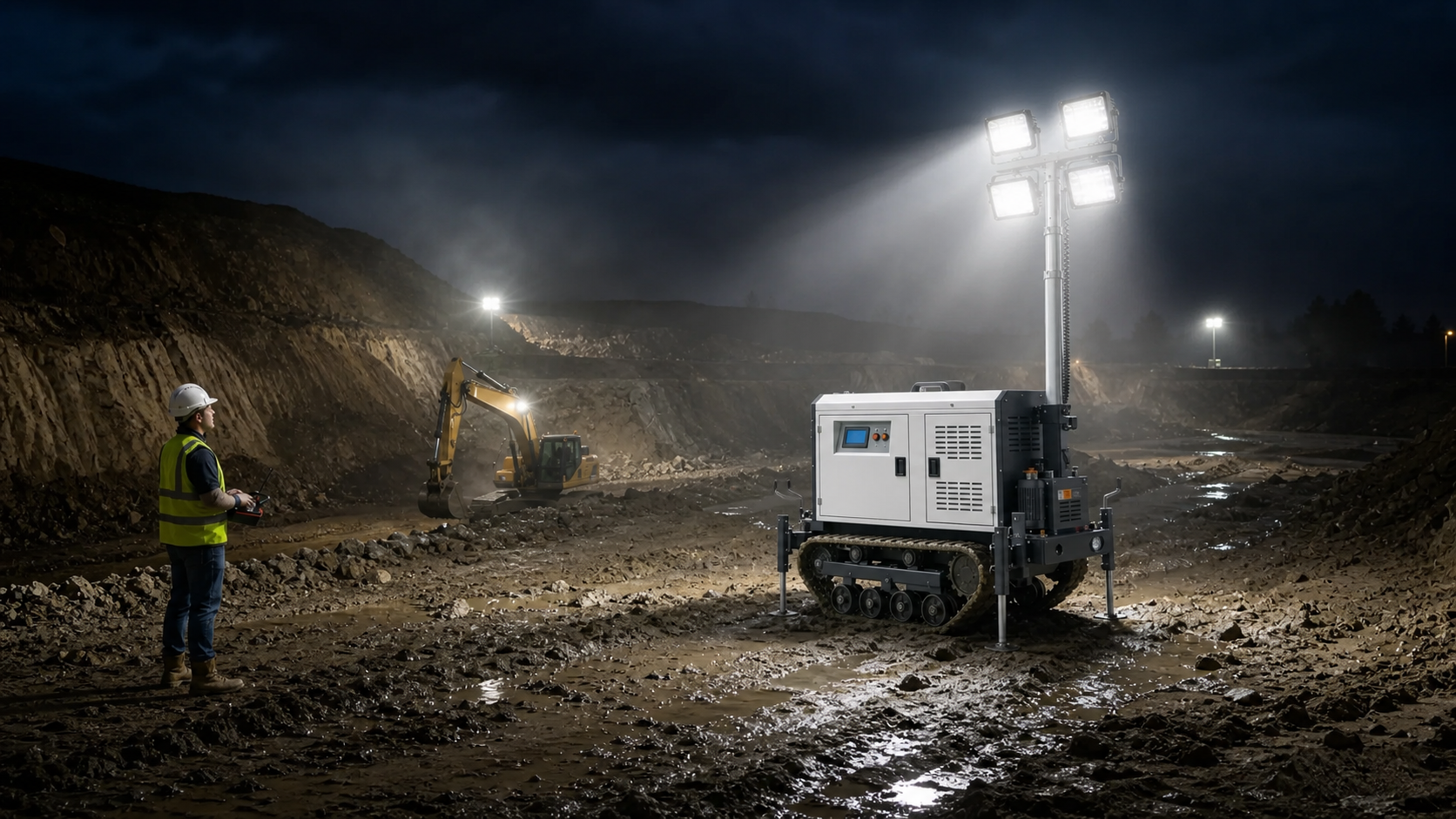
Keyyou manufactures mobile lighting equipment for temporary outdoor and industrial applications. The subject of this guide may sit outside that product range, so no Keyyou product claim is implied. Readers planning construction, remote-site or emergency illumination can review the portable tower lighting guide, the jobsite lighting planning guide, and the light tower inspection checklist. Those resources address large-area mobile lighting rather than the specialized device discussed here.
Authoritative references
Video explanation
The following video is included as a visual introduction. Verify every action against the exact product instructions and the safety boundaries in this article.

Watch LED Batten Installation Demonstration on YouTube (Screwfix).
Frequently asked questions
Is a batten light the same as a tube light?
A tube may be one component of a batten, while integrated LED battens have no replaceable tube.
Can I put an LED tube in any fluorescent batten?
No. Ballast, wiring, lampholders and tube type must follow an approved compatible conversion.
How many batten lights do I need?
Use a photometric layout based on task, room, mounting and exact fixture—not a universal area rule.
Are batten lights waterproof?
Only models with an appropriate location and ingress rating, installed as instructed, are suitable for wet or dusty conditions.
Final takeaway
The final decision should account for traditional and modern forms and where battens work well. Verify the exact product or situation, follow the controlling instructions, document the evidence, and escalate any condition that exceeds the limits described in this guide.