
Mobile Lighting for Temporary Batch Plants
Plan temporary batch plant lighting for aggregate handling, loading, control access, conveyors, inspection tasks, dust, and clear separation of people and vehicles.
Temporary batch plant lighting should reveal controls, approved access, and relevant delivery and loading movements. Plan around the plant layout, changing stockpiles, dust environment, and power arrangement, and verify the crew and driver views rather than judging coverage from lamp wattage.
Separate plant inspection from material-handling routes
Temporary batch plant lighting must distinguish aggregate handling, truck loading, plant access, controls, and maintenance or inspection positions. Mark these tasks on the actual plant arrangement. A tower aimed at the yard can leave stairs, equipment labels, or a service point behind a conveyor unreadable. The plant supervisor should identify which views require general illumination and which need a separate approved task-light arrangement.
Keep mobile lighting equipment outside the site’s defined vehicle routes, loading movements, and material-handling clearances. Include the deployed supports and service access in that review. Dust, stockpiles, and operating machines can change the visible scene during a shift; assess lighting under representative conditions using an approved inspection procedure. Do not enter a running plant’s restricted area to adjust a lamp or obtain a reading.
Coordinate the tower’s power arrangement with the plant supply and maintenance schedule. A generator, battery, or external connection introduces different servicing and outage questions. Document the operating mode and the duration of inspection or cleanup work after production stops. When stockpiles, temporary barriers, or plant modules move, review affected shadows and access lighting again. The applicable plant task and jurisdiction determine requirements; construction-area illumination figures should not be applied to every plant task without checking their scope. Lighting supports observation and access but cannot substitute for guarding, isolation, traffic control, or the plant’s approved work procedures.
The five issues that control the decision
| Decision area | What to verify |
|---|---|
| Plant access | Identify the routes used for operators, maintenance personnel, deliveries, and authorized visitors. |
| Material hoppers | Ask the plant supervisor which hopper-related observations can be made from authorized operator or inspection positions. |
| Dust | Review the dust conditions relevant to the actual plant and the proposed electrical equipment. |
| Vehicle movement | Map aggregate delivery, loading, reversing, and service movements together with the tower footprint. |
| Verification | Check the installed plant lighting at night with representative material storage and equipment positions under the supervisor’s inspection arrangement. |
1. Plant access
Identify the routes used for operators, maintenance personnel, deliveries, and authorized visitors. Review steps, turns, controls, and transitions between vehicles and pedestrians with the plant supervisor. Area illumination should support the approved access layout, including the views needed when equipment is in its operating position. Do not choose a tower location solely because it is convenient to an electrical supply. Reserve supports, mast movement, and service access so that the lighting equipment does not obstruct the plant’s normal or emergency routes.
2. Material hoppers
Ask the plant supervisor which hopper-related observations can be made from authorized operator or inspection positions. Light should support those views without encouraging entry, climbing, or maintenance outside the established procedure. Structures and delivery vehicles can block the relevant line of sight, so assess representative conditions. A bright view of a hopper exterior does not establish visibility of an internal task. Any close fixture or changed mounting requires review with the plant and electrical teams; never treat lighting as a substitute for guarding or isolation.
3. Dust
Review the dust conditions relevant to the actual plant and the proposed electrical equipment. Obtain the exact assembly’s environmental documentation and have the responsible team determine any applicable area-classification or suitability requirements. A general LED or weatherproof label is not evidence of suitability for every dusty environment. Include authorized cleaning and inspection in the service plan. Illumination cannot replace dust controls or justify operating when required visibility is lost. Escalate a changed condition through the plant’s process rather than merely increasing lamp output.
4. Vehicle movement
Map aggregate delivery, loading, reversing, and service movements together with the tower footprint. Check driver sightlines and the views needed by authorized ground personnel. A base outside a lane may still be within a turning area or a location needed for maintenance equipment. Keep supports and supply routes clear through an approved arrangement and coordinate tower servicing with vehicle control. The lighting layout should reinforce the internal traffic plan while preserving pedestrian separation and the site’s communication rules for loading and reversing.
5. Verification
Check the installed plant lighting at night with representative material storage and equipment positions under the supervisor’s inspection arrangement. Record access, controls, required task observations, tower locations, aiming, mode, and project measurements. Define the response to power or light failure and the authorization for a replacement. Repeat the affected checks after a moved plant component, altered stockpile, changed delivery route, additional structure, or tower adjustment. Keep the accepted configuration with the temporary plant’s operating information rather than assuming that one initial setup covers subsequent layout changes.

Describe the temporary plant’s operating layout
Give the supplier a drawing of the actual plant arrangement, including controls, approved access, aggregate storage, loading, delivery, and service locations. Identify the observations required at each authorized position. A tower proposal for an open construction yard may fail to reveal a control behind plant structures or an access route obscured by stock. Ask how the suggested arrangement addresses those views.
Review the equipment positions available with the plant supervisor. Reserve the complete support footprint, mast envelope, service access, and supply route where applicable. Include temporary structures and the layout changes expected during the project. A location unused during initial setup may later be needed by a delivery truck, loader, or maintenance activity.
Request the exact tower and fixture documentation behind the proposal. Obtain deployment limits, environmental information, fixture distribution, power details, and maintenance instructions for the delivered assembly. The responsible teams determine any electrical suitability or area-classification requirements for the actual environment. A general solar, battery, or weatherproof label does not establish suitability beside every material-handling process.
Accept the views under representative plant conditions
Arrange the nighttime assessment through the plant supervisor with equipment states and observer access controlled. Review access, controls, vehicle approaches, and any approved inspection task separately. Include representative stock and parked-equipment positions. A clear photograph of the plant exterior cannot show that every required operator or maintenance view has been assessed.
Where measurements are required, use the project’s specified criteria and record the observation positions and equipment arrangement. Review shadows and glare in addition to numerical readings. A bright ground measurement may coexist with a poorly visible control or step behind a structure. Ask the responsible lighting specialist to assess distribution rather than selecting equipment only by output or lamp count.
Close views or supplementary fixtures need review with the plant and electrical teams. Do not improvise mounting on guards, platforms, hoppers, or machinery. The relevant operating, access, and isolation procedures still apply during any lighting inspection. Improved illumination supports those procedures; it does not permit maintenance or entry that the plant’s rules prohibit.

Include service windows and energy assumptions
Specify lighting duty through preparation, production, deliveries, inspection, and handover. Ask the supplier to explain the offered unit’s runtime in the proposed mode and the charging, fuel, or supply arrangement it assumes. For solar equipment, the proposed energy balance needs the actual configuration and relevant operating assumptions. A solar-panel photograph cannot establish continuous operation at this site.
Coordinate inspections and servicing with the plant’s access and traffic arrangements. Cleaning a dusty fixture, charging equipment, or installing a replacement should not require personnel to enter an uncontrolled loader movement area. Follow the manufacturer’s instructions and the responsible site’s authorization for service work. Record who reports defects and which person decides whether affected lighting remains usable.
Compare the complete operating proposals with the same plant layout and duty assumptions. Include relocation, installation, charging or supply access, maintenance effort, replacement equipment, and interruption response. A lower delivered price is not an equivalent offer if the proposed tower cannot be positioned or serviced within the plant’s approved arrangement. Resolve those differences before rental or procurement approval.
Review layout changes through the plant handover
Keep the accepted tower configuration, positioning, aiming, observations, and project measurements with the temporary plant’s operating information. State the limits of the inspection, including stock and equipment positions that influenced it. Assign responsibility for adjustments and for checking the arrangement after a component, stockpile, delivery route, or temporary structure changes.
A failure response should identify the affected tasks and the process for restoring an approved arrangement. A spare tower requires its own configuration and visibility check. Do not assume that matching equipment descriptions guarantee matching footprints or optics. Coordinate replacement access with the supervisor and retain the resulting acceptance.
Use the observed service and relocation experience to improve future proposals. The lesson may be a better location, a different authorized service window, or a more complete supplier brief. It should not become an unsupported universal coverage claim for every batch plant. The next layout still needs a review of its actual controls, structures, material movements, environment, and power arrangements.
Related light tower guides
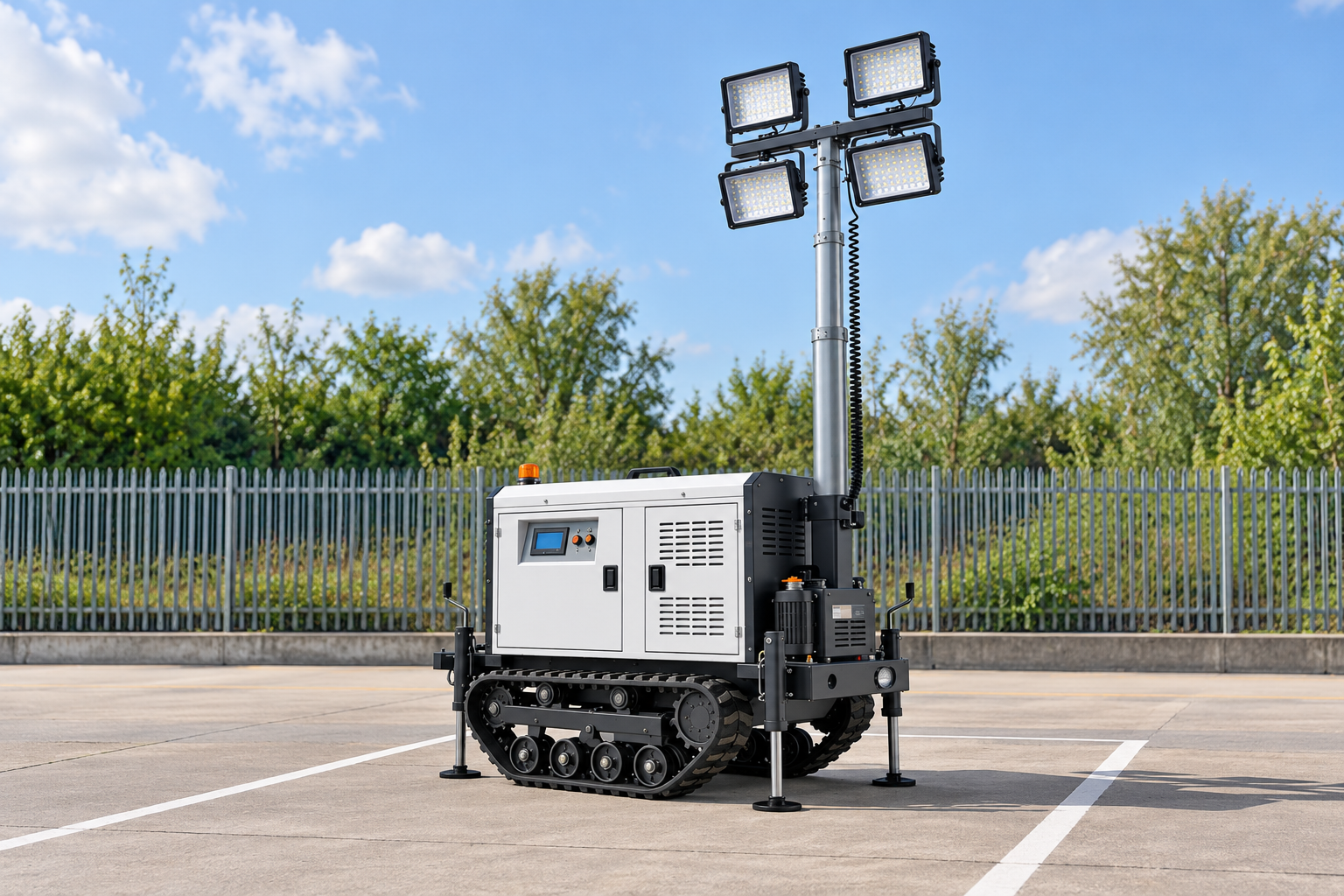
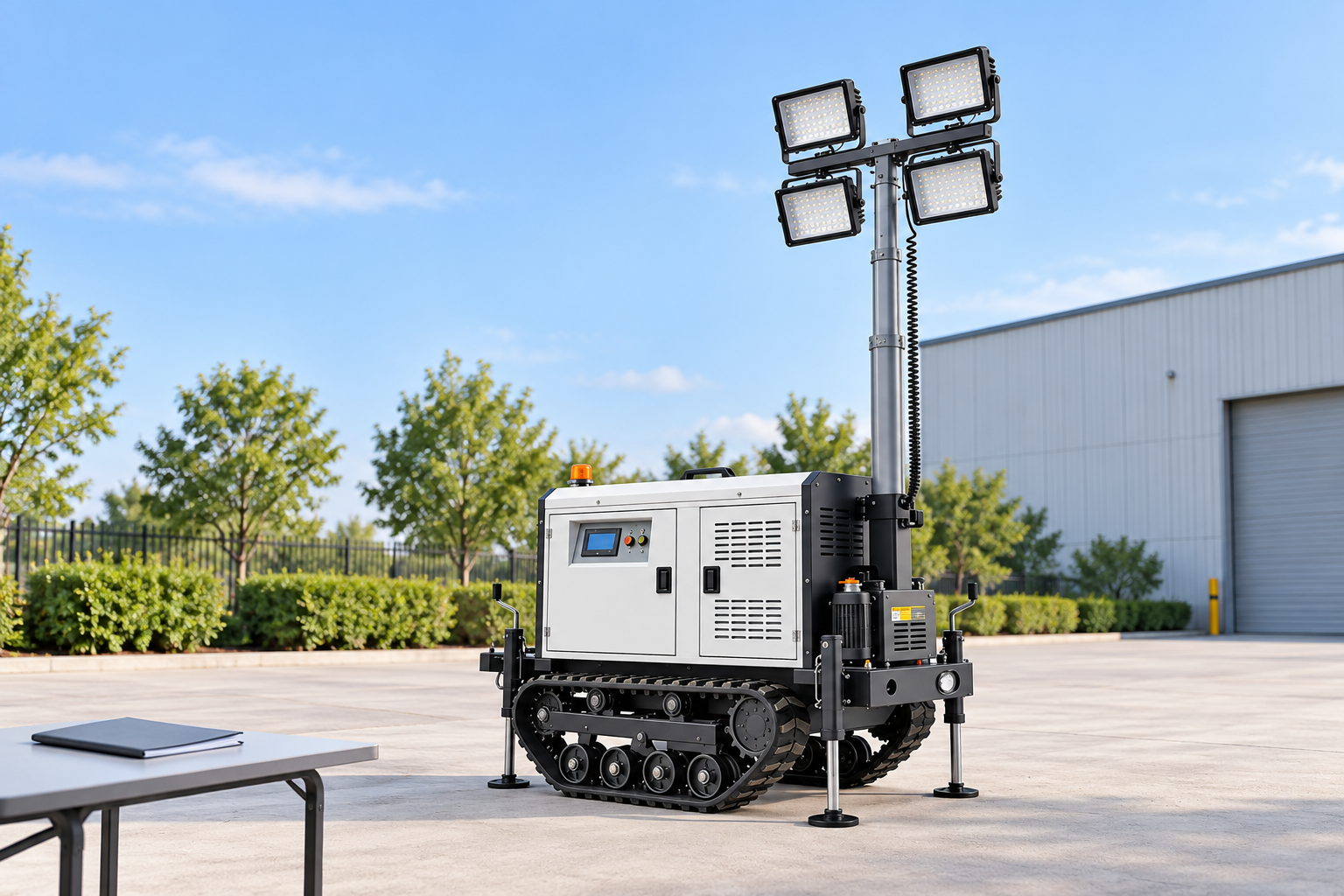
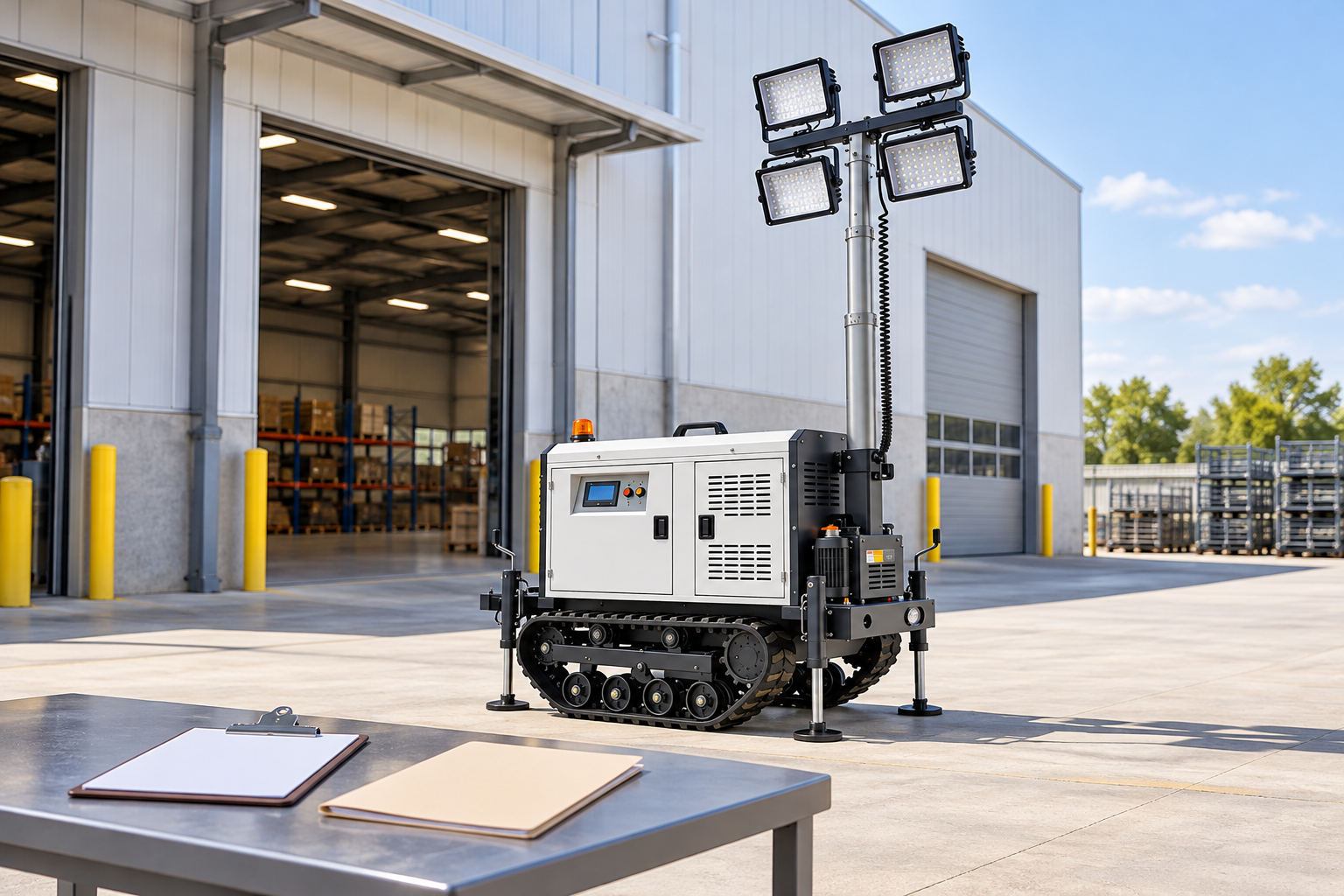
The relevant Keyyou reference is the the referenced Keyyou mobile light tower product. The photograph identifies the product family; final measurements and limits must come from the supplied configuration.
Generator exhaust and the power arrangement
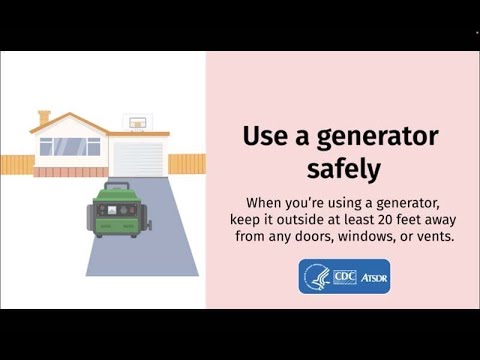
Where the lighting arrangement uses generator power, review exhaust, servicing, fuel handling, and the full operating window with the responsible site team. Keep exhaust from entering occupied spaces and follow the exact equipment instructions. The CDC video below explains carbon-monoxide precautions; its household examples do not specify this project installation. It does not demonstrate the construction or mining task, teach stored-energy isolation, or replace the relevant work procedure. If the offered tower uses another power source, obtain the appropriate charging or electrical-supply documentation instead of assuming that the generator example applies.
Frequently asked questions
Which plant access views should be assessed?
Identify the routes used for operators, maintenance personnel, deliveries, and authorized visitors. Review steps, turns, controls, and transitions between vehicles and pedestrians with the plant supervisor. Area illumination should support the approved access layout, including the views needed when equipment is in its operating position.
Does hopper illumination permit inspection or entry?
Ask the plant supervisor which hopper-related observations can be made from authorized operator or inspection positions. Light should support those views without encouraging entry, climbing, or maintenance outside the established procedure. Structures and delivery vehicles can block the relevant line of sight, so assess representative conditions.
Does a weatherproof label establish suitability for plant dust?
Review the dust conditions relevant to the actual plant and the proposed electrical equipment. Obtain the exact assembly’s environmental documentation and have the responsible team determine any applicable area-classification or suitability requirements. A general LED or weatherproof label is not evidence of suitability for every dusty environment.
What changes require another plant lighting check?
Check the installed plant lighting at night with representative material storage and equipment positions under the supervisor’s inspection arrangement. Record access, controls, required task observations, tower locations, aiming, mode, and project measurements. Define the response to power or light failure and the authorization for a replacement.