
What Should Buyers Check Before Choosing a Mobile Sentinel System?
Choose a solar-powered mobile sentinel system by defining the protection mission and site exposure, writing the monitoring duty and autonomy expectations as questions, checking deployment and standby practicalities, and demanding supplier documents for energy, monitoring, and environmental limits. An unattended asset is only as good as the questions asked before it ships.
Part 1. What does a solar-powered mobile sentinel system do?
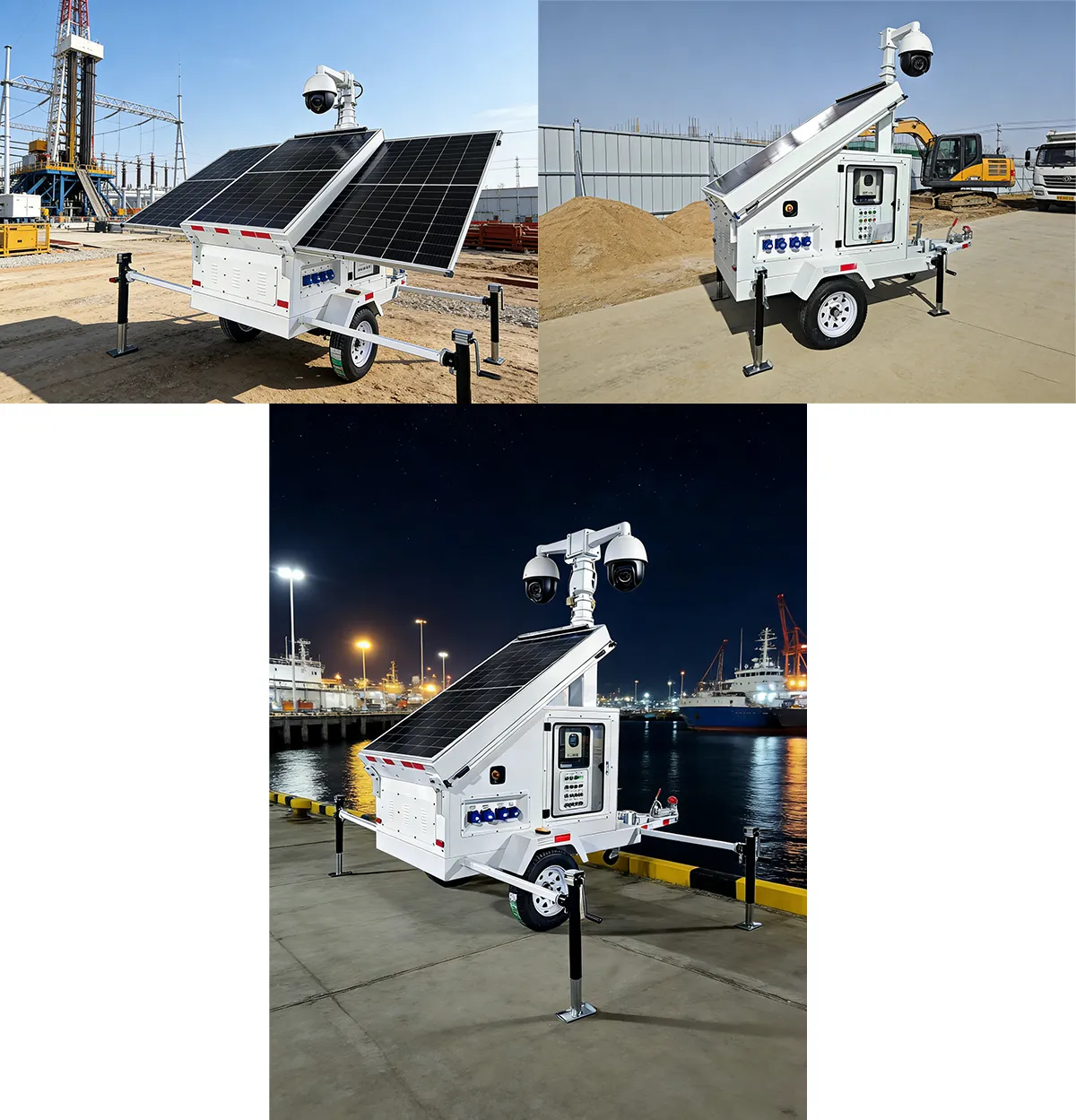
It watches a location unattended: a mobile platform carrying monitoring equipment, powered by solar collection and stored energy, deployed where fixed infrastructure is absent or too slow to install. Asset-protection planning—framed by continuity resources such as Ready.gov’s business preparedness pages—creates the demand this class answers.
It is not a light tower with a camera bolted on. The energy budget, duty pattern, and service expectations differ, which is why the selection questions differ too.
Part 2. Which mission and site inputs come first?
Write the mission before touching catalogs, the same application-first rule that Atlas Copco’s selection guidance applies to mobile site equipment.
| Mission input | Question to answer | Record |
|---|---|---|
| Protected assets and area | What exactly is watched? | Asset and boundary notes |
| Threat and event profile | Intrusion, theft, safety events, or mixed? | Scenario statement |
| Deployment duration | Weeks, seasons, or permanent-until-replaced? | Duration statement |
| Site exposure | Open sky, shading, weather pattern | Exposure survey notes |
| Response path | Who reacts to an alert, and how fast? | Response chain |
The response chain matters most: a sentinel that alerts nobody is a very expensive log file.
Part 3. How should monitoring duty be written as questions?
State what must be observed, over what area intent, at what hours, and what happens on detection—then let supplier documents answer with the actual monitoring capability of the offered configuration.
Important: Keep detection ranges and camera specifications out of your own file; demand them as document answers so every capability stays traceable to the vendor. Source: selection discipline, Atlas Copco application-first guidance.
Include communication questions in the same list: how alerts travel off the unit, what the site’s network reality is, and who receives what.
Part 4. How does site solar exposure shape the choice?
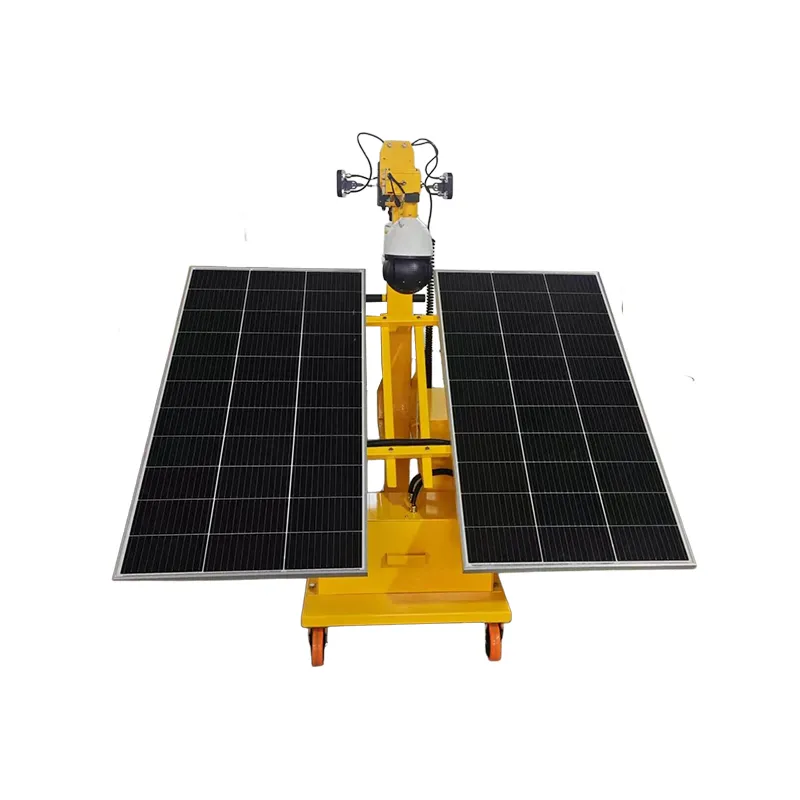
Solar collection principles are public—see the DOE solar energy explainer—but the selection question is site-specific: how much collection does this location actually offer across the deployment seasons?
Survey the site the same way the low-sunlight planning guide surveys lighting sites: shading, orientation options, seasonal sun hours, and weather patterns. Poor-exposure sites do not disqualify the class; they change the autonomy questions and the storage documents the RFQ must demand—the reasoning mirrors the battery capacity estimation guide.
Part 5. Which autonomy and standby expectations belong in the file?
State how many low-sun days the mission must survive, what the unit may shed first when energy runs low, and how it recovers. Then state the service reality: who visits the unit, how often, and what they check—unattended assets still need the maintenance discipline of the solar asset maintenance checklist.
Preparedness resources such as OSHA’s emergency preparedness pages frame readiness as maintained state; an unattended sentinel is readiness distilled, and its file should read that way.
Part 6. Which supplier documents close a sentinel RFQ?
Demand a numbered set: configuration description, energy and storage pages, monitoring capability pages, communication options, autonomy behavior notes, environmental limits, deployment and transport instructions, service intervals, and warranty terms.
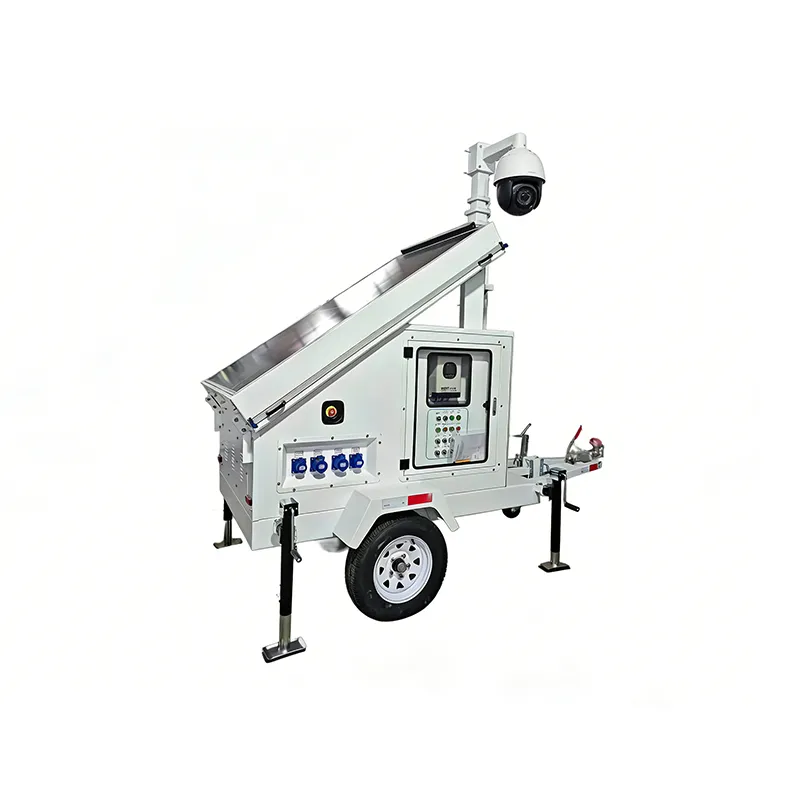
Product recommendation: use the listed solar-powered mobile sentinel trailer version as a document-review starting point for towed deployments, with the listed solar-powered mobile sentinel Wacker model as the compact alternative for document comparison. Neither page states detection, storage, or autonomy figures for your mission. Related solar assets sit under the solar-powered mobile lighting tower range.
Fit Boundary
This guide is suitable for building a selection file and RFQ. It is not suitable as a security plan, a surveillance design, or a Keyyou capability commitment. For a document-level review, send the mission and exposure notes.
Part 7. When is a sentinel system the wrong tool?
Skip the class when the site has reliable power and network where a fixed installation serves better, when the mission is lighting rather than watching, or when nobody owns the response chain. A sentinel system earns its place on unattended, infrastructure-poor sites where watching must continue without a crew.
FAQs
What is a solar-powered mobile sentinel system used for?
Unattended monitoring of sites without fixed infrastructure—powered by solar collection and stored energy, deployed as a mobile platform.
Which mission and site inputs decide the sentinel choice?
Protected assets, threat profile, deployment duration, site solar exposure, and the response chain that reacts to alerts.
How should monitoring duty be written without inventing detection specs?
As questions: what must be observed, over what area intent, at what hours, and what happens on detection—answered by supplier documents.
How does solar exposure at the site affect the selection?
Exposure decides the energy budget. Survey shading, orientation, and seasonal sun; poor exposure changes autonomy questions and storage documents, not necessarily the class.
What autonomy and standby expectations belong in the file?
Low-sun days to survive, load-shedding order, recovery behavior, and the service visits the unattended unit will actually receive.
What supplier documents should a sentinel RFQ demand?
Configuration description, energy and monitoring pages, communication options, autonomy notes, environmental limits, deployment instructions, service intervals, and warranty.
How is a sentinel system different from a light tower with cameras?
The sentinel’s energy budget, unattended duty pattern, and alert chain drive its design; a lighting unit’s budget is built around lamps, not watching.